What Is a Lever Espresso Machine? The Quick Version
On this page (6 sections)
A lever espresso machine is a type of coffee maker that uses a manual lever to control water pressure for brewing espresso. You pull the lever down to build pressure, and then release it to let the hot water flow through the coffee grounds. This manual control lets you adjust the brewing process yourself for a truly hands-on experience.
Many coffee lovers prefer lever machines because they offer a direct connection to the brewing process. You get to feel the resistance as you pull the lever, and watch the espresso begin to flow. This type of machine is often praised for the control it gives the user over extraction, leading to potentially richer and more flavorful shots.
- A lever espresso machine uses a manual lever for brewing.
- You pull the lever to create pressure on the coffee.
- This offers hands-on control over the espresso-making process.
- Many baristas enjoy the tactile feel and fine-tuning capabilities.
- It’s a popular choice for those who appreciate traditional methods.
Below, we’ll walk you through the basics of what a lever espresso machine is and why people love using them for their daily coffee fix.
Understanding the Mechanics of a Lever Espresso Machine
So, you’re curious about what makes a lever espresso machine tick? It’s all about manual control. You’re the engine that drives the brewing process. Think of it like a manual transmission in a car. You have direct input into how everything works.
Unlike electric machines that automate pressure, a lever machine puts Unlike electric machines that automate pressure, a lever machine puts hands in charge; learn about single boiler machines for comparison.your hands in charge. You’ll find a distinctive lever, usually on the side of the machine. This lever is your primary tool for making espresso. It’s a classic approach to coffee making.
How the Lever Creates Pressure
The magic happens inside. When you pull the lever down, you’re essentially compressing a spring or raising a piston. This action stores energy. Then, when you release the lever, that stored energy is released. It forces water through the coffee grounds at the right temperature and pressure.
This process mimics what modern machines do automatically. But with a lever, you get to feel the resistance. You learn how much pressure is just right. Many users find this tactile feedback incredibly satisfying. It’s a very engaging way to make coffee.
Spring-Piston vs. Direct-Lever Designs
There are a couple of main ways this lever action works. Some machines use a spring lever mechanism. Our guide explains how manual lever machines work. You pull the lever, compressing a strong spring. This spring then pushes the water through the coffee. It’s a bit like stretching a rubber band and letting it snap back.
Other designs, often called direct-lever machines, have the lever directly connected to a piston. You manually push the piston down to create pressure. This gives you even more direct control. You can feel every bit of resistance. Both types offer a hands-on experience.
The Role of Temperature and Pressure Control
With a lever machine, you’re also indirectly controlling temperature and pressure. The speed at which you pull and release the lever affects the pressure profile. A slower pull might give you a gentler start. A quicker release can build pressure more rapidly.
Temperature stability is another key factor. While many lever machines are manually heated, their design often helps maintain a consistent temperature during the shot. This is crucial for extracting the best flavors from your coffee beans. Getting this right is part of the art.
Why Choose a Lever Espresso Machine? The User Experience
So, why would someone opt for a lever machine in today’s world of automated gadgets? For many, it’s about the experience and the connection to the craft of coffee making. It’s a choice that prioritizes involvement.
It’s a journey from bean to cup that you are fully a part of. You’re not just pressing a button. You’re actively participating in the creation of your espresso. This hands-on aspect is a big draw for enthusiasts.
The Tactile and Visual Appeal
There’s a unique sensory pleasure in using a lever machine. You feel the satisfying weight of the lever. You hear the sounds of the machine working. You watch the rich, dark espresso begin to flow into your cup. It’s a performance every time.
This visual and tactile engagement can make your morning coffee ritual feel more special. It’s like performing a small, rewarding ceremony. Many users report that coffee made this way tastes better, not just because of the brew, but because of the pride in making it.
Achieving Fine-Tuned Espresso Extraction
One of the biggest advantages is the level of control you have. You can adjust the pressure throughout the shot. This allows you to experiment and find the perfect extraction for different beans. Think of it as tuning an instrument.
If your espresso is pulling too fast, you can gently increase pressure. If it’s too slow, you can ease off. This fine-tuning capability helps you extract the ideal balance of flavors. You can avoid bitterness or sourness by managing the extraction precisely. It takes practice, but the results can be outstanding.
Adapting to Different Coffee Beans
Different coffee beans require different brewing approaches. Some beans might benefit from a pre-infusion where you apply gentle pressure first. Others might need a stronger, more consistent pressure throughout. A lever machine lets you tailor your technique.
You can learn to “read” your coffee. By observing the flow and taste, you can adjust your lever technique for your next shot. This adaptive brewing makes every cup an opportunity to learn and improve. It’s a constant learning process.
The Durability and Longevity Factor
Many lever espresso machines are built with fewer complex electronic parts. This often means they are more durable and easier to repair. Mechanical components tend to last a long time with proper care. They are often seen as an investment piece.
Unlike an electric machine with circuit boards that can fail, a lever machine relies on simpler, robust mechanics. This simplicity can translate into a longer lifespan and fewer costly repairs. We found that many owners cherish their lever machines for decades.
Key Components of a Lever Espresso Machine
Let’s break down the essential parts you’ll find on most lever espresso machines. Understanding these will help you appreciate how they function. It’s like knowing the parts of an engine to understand how a car drives.
The Group Head and Portafilter
The group head is where the brewing actually happens. It’s the part the portafilter attaches to. The portafilter is the handle with a basket that holds your ground coffee. You lock it into the group head before brewing.
The group head is designed to distribute water evenly over the coffee grounds. It’s a critical interface for a good espresso shot. The portafilter needs to create a good seal for proper pressure to build.
The Water Reservoir and Boiler
Like other espresso machines, lever machines need a water source and a way to heat the water. This is usually a water reservoir and a boiler. The boiler heats the water to the optimal brewing temperature, typically between 195-205°F (90-96°C).
Some simpler lever machines might be “stovetop” espresso makers, requiring you to heat water separately. More sophisticated models have built-in boilers for consistent temperature. Maintaining the correct water temperature is vital for espresso quality (National Coffee Association).
The Lever Mechanism
This is the star of the show, of course. The lever mechanism is what you interact with directly. As we discussed, it’s responsible for generating the pressure needed to force water through the coffee puck. It’s the heart of the machine’s operation.
The design and feel of the lever can vary significantly between models. Some are smooth and require little effort. Others are more resistant, giving you a solid workout. It’s a key differentiator in the user experience.
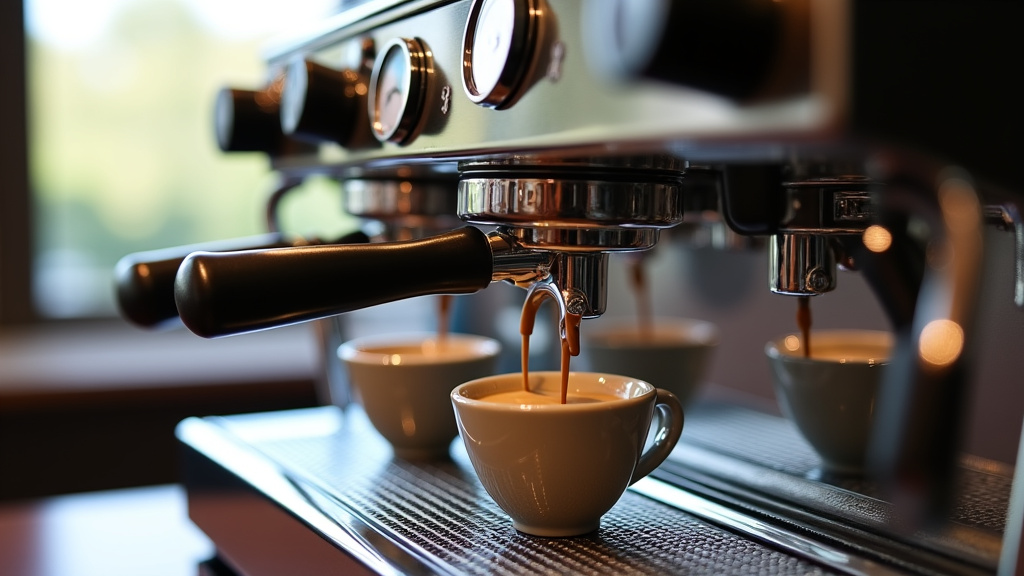
Making Espresso with a Lever Machine: A Quick Checklist
Ready to try your hand at making espresso with a lever machine? Here’s a simple checklist to guide you through the basic steps. It’s a straightforward process once you get the hang of it.
- Grind your coffee beans finely. A consistent grind is key.
- Dose and tamp the grounds evenly into the portafilter.
- Lock the portafilter into the group head.
- Pull the lever down slowly to build pressure.
- Release the lever and let the espresso flow.
- Stop the shot when it looks right, usually after 25-30 seconds.
Remember, practice makes perfect. Don’t be discouraged if your first few shots aren’t ideal. You’ll quickly learn to adjust your technique based on the results. Enjoy the process!
Conclusion
You’ve learned that a lever espresso machine offers a deeply satisfying, hands-on way to make coffee. It’s a choice for those who appreciate the craft and want direct control over their brew. By manually controlling pressure and temperature, you can fine-tune your espresso for peak flavor. While it requires practice, the tactile experience and potential for superior shots make it a rewarding journey. Ready to embrace the art of espresso? Your next step is to research specific lever machine models that fit your kitchen and budget, and then gather your favorite fresh coffee beans.
Frequently Asked Questions
Are lever espresso machines difficult to use?
Using a lever machine requires some practice to master. You need to learn how to control the lever’s movement to manage pressure and water flow. Many users find the learning curve rewarding, as it allows for fine-tuning each shot.
Can I make good espresso on my first try with a lever machine?
It’s possible, but not always guaranteed. Your first few shots might not be perfect as you get a feel for the machine. Consistent fine, even grinding and proper tamping are essential for success from the start.
What maintenance do lever espresso machines typically require?
Lever machines often have fewer complex electronic parts, making them generally durable. Regular cleaning of the group head and portafilter is key. Some models may need occasional lubrication of the lever mechanism.
Are lever machines better for certain types of coffee beans?
Yes, lever machines excel at allowing you to adapt to different beans. You can experiment with pre-infusion and pressure profiling, which can bring out the best in lighter roasts or single-origin coffees.
How do lever machines compare to automatic espresso machines in terms of cost?
The cost can vary widely. Some very basic, manual lever machines can be quite affordable. More sophisticated, vintage, or high-end lever machines can be as expensive as, or even more than, many automatic models.


