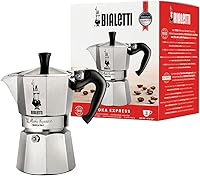
What Is a Stovetop Espresso Maker? The Basics Explained
On this page (3 sections)
A stovetop espresso maker is a simple, affordable device used to brew strong coffee similar to espresso right on your kitchen stove. It works by using steam pressure to push hot water through coffee grounds. Think of it as your gateway to delicious, concentrated coffee without a fancy machine.
These pots, often called Moka pots, have been around for ages. They’re a classic for a reason, offering a way to get that rich coffee flavor many people love. You can find them in various sizes and materials, but their basic function remains the same: making great coffee with minimal fuss and easy cleanup.
- Stovetop espresso makers brew strong coffee using steam pressure.
- They are also known as Moka pots.
- They are affordable and easy to use.
- They offer a simple way to make espresso-like coffee at home.
Let’s walk through exactly how these charming little pots work to give you that perfect cup.
Understanding Your Stovetop Espresso Maker
So, what exactly is this charming little pot, and how does it make coffee? A stovetop espresso maker, often called a Moka pot, is a manual coffee brewer. It uses steam pressure to force hot water through coffee grounds. The result is a strong, concentrated coffee that’s similar to espresso, but not quite the same. Think of it as your entry into a richer coffee experience without needing a bulky, expensive machine. It’s a kitchen staple for many coffee lovers.
These pots have been around since the 1930s. They were invented in Italy by Alfonso Bialetti. His goal was to make a coffee maker that could brew strong coffee at home. The design was simple and effective. It quickly became popular worldwide. Its iconic design is still in use today. It’s a testament to its practicality and enduring appeal.
How the Moka Pot Works: A Simple Mechanism
The magic of a Moka pot lies in its three main parts. Each part plays a vital role in brewing your coffee. Understanding these sections makes operation very clear. It’s a clever system that relies on basic physics. You’ll find it surprisingly easy to master.
The Three Key Components
Let’s break down the Moka pot into its essential pieces. You’ll see how they fit together. This simple construction is part of its charm and reliability.
The Base Chamber
This is the bottom part of the pot. You fill it with water here. Make sure not to overfill it. There’s usually a line indicating the maximum water level. Using cold water is generally recommended by many sources. This allows the water to heat up slowly.
The Filter Basket
The filter basket sits inside the base. You add your ground coffee to this part. It’s important to use the right grind size. Too fine a grind can clog the filter. Too coarse a grind might lead to weak coffee. A medium-fine grind, similar to table salt, is often suggested.
The Top Chamber (Brew Chamber)
This is where the brewed coffee collects. It screws onto the base chamber. It has a lid with a handle. When the coffee brews, it travels up a small tube and into this chamber. You’ll hear it gurgle when it’s almost ready. The lid helps keep coffee from splashing out.
The Brewing Process Explained
Now, let’s see how these parts work together. It’s a straightforward process. You’ll be making coffee in no time.
First, you fill the base with water. Then, you place the coffee grounds in the filter basket. You don’t need to tamp the coffee down. Just level it off gently. Next, you screw the top chamber onto the base. Make sure it’s a tight seal. This is important for pressure to build correctly.
You then place the Moka pot on your stovetop. Use medium heat. As the water heats up, it turns into steam. This steam builds pressure in the base chamber. The pressure forces the hot water up through the coffee grounds. The brewed coffee then travels up the central spout. It fills the top chamber. You’ll hear a hissing or gurgling sound. This indicates the coffee is brewing. Once the sound changes, and steam starts to emerge, remove the pot from the heat. Let it cool slightly before pouring.
Choosing Your Stovetop Espresso Maker
Moka pots come in various sizes and materials. Your choice depends on your needs. Consider how much coffee you usually make. Think about where you’ll be brewing.
Material Matters: Aluminum vs. Stainless Steel
Aluminum Moka pots are the most classic and common. They are lightweight and heat up quickly. However, some people worry about aluminum leaching into their coffee. Many reputable sources say this is not a significant concern with proper use and cleaning (USDA).
Stainless steel Moka pots are another popular option. They are durable and rust-resistant. Many find them easier to clean. They might heat up a bit slower than aluminum. But they offer a great alternative if you prefer stainless steel. Some models are induction-compatible, which is a plus for certain stovetops.
Size and Capacity
Moka pots are typically measured in “cups.” This doesn’t refer to standard US cups. It refers to small, espresso-sized cups (about 2 ounces). A 3-cup pot will make about 6 ounces of coffee. A 6-cup pot makes about 12 ounces. Choose a size that fits your daily coffee habit. Making a single cup in a large pot might not yield the best results. It’s best to fill the basket and base according to the pot’s intended capacity.
Your Simple Checklist for Moka Pot Success
Ready to brew? Follow these simple steps to get started:
- Fill the base with cold water up to the valve.
- Add ground coffee to the filter basket, leveling it off.
- Screw the top chamber on tightly.
- Place on medium heat on your stovetop.
- Remove from heat when coffee finishes brewing and cools slightly.
- Pour and enjoy your rich, strong coffee!
Conclusion
You’ve learned that a stovetop espresso maker, or Moka pot, is your simple ticket to rich, strong coffee. Its clever three-part design uses steam pressure to brew a satisfying cup right on your stove. You can choose between classic aluminum or durable stainless steel, and pick a size that fits your needs. With just a few easy steps, you’re ready to enjoy delicious coffee without needing a complicated machine. Now that you understand the basics, it’s time to grab your own Moka pot and start brewing!
Frequently Asked Questions
Can a Moka pot really make espresso?
A Moka pot brews coffee that is strong and concentrated, similar to espresso, as explained in this Moka pot comparison. However, it doesn’t produce the same high pressure as an espresso machine. The coffee made is often called “Moka coffee” or “stovetop espresso.” It’s a delicious and rich coffee perfect for many drinks.
What kind of coffee grind should I use for a Moka pot?
You should use a medium-fine grind for your Moka pot. This is finer than drip coffee but coarser than what you’d use for true espresso. A grind that’s too fine can clog the filter and cause pressure issues. A grind that’s too coarse may result in weak, watery coffee.
How do I clean my Moka pot?
After each use, rinse all parts of the Moka pot with warm water. Avoid using soap, as it can strip the pot’s seasoning and affect the coffee’s flavor. Make sure the pot is completely dry before reassembling to prevent corrosion. Periodically, you might need to clean the gasket and filter screen more thoroughly.
Why does my Moka pot coffee taste bitter?
Bitterness in Moka pot coffee often comes from overheating. Make sure to use medium heat and remove the pot from the stove as soon as the coffee starts to gurgle. Over-tamping the coffee grounds or using too fine a grind can also contribute to bitterness. Ensure your pot is clean, as old coffee residue can add unwanted flavors.
Can I use my Moka pot on an induction stovetop?
Whether your Moka pot works on an induction stovetop depends on its material. Classic aluminum Moka pots generally do not work with induction. However, many stainless steel Moka pots are designed to be induction-compatible. Always check the product description or the bottom of your pot for an induction symbol.