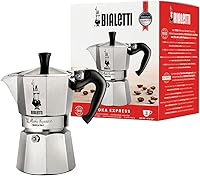
How to Use a Moka Pot for Strong Coffee
To use a moka pot for espresso-style coffee, fill the base to the safety valve, add ground coffee without pressing it, then heat until the coffee flows and the pot begins to gurgle. Turn off the heat and serve; moka coffee is concentrated, but it isn't espresso.
On this page (10 sections)
- How do you use a moka pot step by step?
- What kind of coffee should you use?
- How much water and coffee should you add?
- How hot should the stove be?
- When should you stop brewing?
- Why isn't moka pot coffee the same as espresso?
- What size moka pot should you choose?
- What should you do after brewing?
- Would a drip coffee maker suit you better?
- How do you get better moka pot coffee?
To use a moka pot for espresso-style coffee, fill the base to the safety valve, add ground coffee without pressing it, then heat until coffee flows and the pot begins to gurgle. Turn off the heat and serve.
Moka coffee is concentrated, but it isn't espresso.
The method is simple once you know what to watch for: water in the lower chamber, loose grounds in the basket, and heat below the pot.
For context on the brewer itself, see What Is a Stovetop Espresso Maker? The Basics Explained.
How do you use a moka pot step by step?
Fill, assemble, heat, and stop the brew at the first gurgle. Start with a clean, dry pot and coffee ground for moka brewing.
- Add water to the lower chamber, stopping at the safety valve.
- Fill the filter basket with ground coffee, leveling it without pressing.
- Wipe any grounds from the rim, then screw the upper chamber on securely.
- Set the pot on the stove over moderate heat.
- When coffee begins to emerge, keep an eye on the flow.
- Turn off the heat as the pot starts to gurgle, then carefully remove it from the burner.
Bialetti's preparation guidance follows the same basic sequence: fill the boiler to the valve, add unpressed ground coffee, heat the closed pot, and turn off the stove when it gurgles. Follow your own pot's instructions if they differ.
What kind of coffee should you use?
Choose ground coffee that's finer than typical drip coffee but coarser than espresso powder. Very fine grounds can pack together, while a grind that's too coarse may make a weak cup.
Use coffee you enjoy drinking black or with milk. Roast level is a matter of taste; a darker roast can taste more intense, while a lighter one may bring out brighter flavors.
For help choosing beans, browse the guide to types of coffee beans. If you prefer to look for beans tested for mold, see how to choose mold-free espresso beans.
How much water and coffee should you add?
Fill water only to the safety valve, then fill the basket loosely with grounds. Don't tamp or press the coffee, since the moka pot is designed for water to pass through a filled basket.
The pot's capacity is tied to its size. A small Bialetti Moka Express is described as making about 3 espresso-sized servings, with a 130 ml capacity.
Moka pot “cups” are small servings, not large mugs. If you want to make coffee for several people, pick a size that matches how much you plan to serve.
How hot should the stove be?
Use moderate heat so the coffee flows steadily instead of racing through the pot. Keep the flame or burner within the base's footprint, and use a safe burner setting for your stove.
If coffee shoots out quickly, reduce the heat. If it takes a long time to appear, check that the burner is on and that the pot is assembled correctly.
Stay nearby once brewing starts. The coffee can move from a steady stream to sputtering quickly, and removing the pot promptly helps you avoid overcooking the final part.
When should you stop brewing?
Turn off the heat as the pot begins to gurgle. That sound signals that the brew is near its end; prolonged sputtering can make the coffee taste harsh.
Move the pot off the hot burner with care. The metal parts can be hot, so use the handle and avoid touching the base or upper chamber.
Pour the coffee soon after brewing. If the pot is large, stir the brewed coffee in its upper chamber before serving so the first and last portions are more evenly mixed.
Why isn't moka pot coffee the same as espresso?
A moka pot makes concentrated stovetop coffee, not espresso-machine coffee. It uses steam pressure to push water through grounds, but it doesn't produce espresso in the same way as an espresso machine.
Expect a strong cup that can work well on its own, diluted with hot water, or mixed with milk. Don't expect the same pressure-brewed texture and crema you get from espresso.
If you're comparing daily coffee styles, our guides to moka pot vs coffee maker, moka pot vs French press, and moka pot vs AeroPress explain how the methods differ.
What size moka pot should you choose?
Choose a pot based on the number of small servings you want to make at once. Moka pot capacity is commonly described in espresso-sized cups, so check the milliliter capacity if you plan to fill a larger mug.
The Bialetti Moka Express is available in multiple sizes. A 130 ml version is suited to a smaller brew, while a larger 12-cup version is described as holding 670 ml.
A moka pot makes its intended amount best when you brew with the full basket and the right water level. If you often want just one small serving, a smaller pot may be a better match than brewing a large one and saving the rest.
What should you do after brewing?
Rinse the pot with water after it cools, then let it dry fully before storing. Bialetti says not to use detergent or put the aluminum Moka Express in a dishwasher, as either can affect the pot and coffee taste.
Check the filter and gasket regularly for trapped grounds or wear. Replace parts only with ones that fit your pot model, and follow its care instructions.
Don't leave brewed coffee sitting in the upper chamber on a hot burner. Pour it into cups or a separate serving vessel after brewing.
Would a drip coffee maker suit you better?
Choose a drip coffee maker if you want a larger batch with less stovetop attention. A moka pot suits concentrated coffee in small servings; drip brewing is more convenient for filling mugs or a carafe.
The BLACK+DECKER 12-Cup Drip Coffee Maker has a glass carafe, programmable brew feature, and Sneak-A-Cup pause for pouring before the cycle ends. Its stated cup measure is about 5 ounces, so the 12-cup capacity refers to smaller coffee servings.
Choose this style if you prefer a carafe and timed brewing. Stick with a moka pot if you value a compact stovetop method and want a more concentrated cup.
How do you get better moka pot coffee?
Use the right water level, don't pack the grounds, and stop brewing at the first gurgle. Those three habits address the most common causes of weak or harsh moka coffee.
Pick a smaller Bialetti Moka Express if you want a few concentrated servings, or the larger version if you routinely serve several people. Choose the BLACK+DECKER drip coffee maker for a larger carafe and programmed brewing.
If your goal is espresso specifically, use an espresso machine. For strong stovetop coffee, a moka pot is a straightforward option when you follow the fill and heat steps carefully.
Frequently asked questions
Can a moka pot make real espresso?
No. A moka pot makes strong, concentrated coffee, but it doesn't brew under the pressure used by an espresso machine.
Use it for a bold stovetop cup or as a base for milk and hot water, and choose an espresso machine when you want espresso.
What grind should I use in a moka pot?
Use ground coffee suited to a moka pot, usually finer than drip coffee but not as fine as espresso. Fill the basket without pressing the grounds down, so water can pass through it during brewing.
How much water and coffee go into a moka pot?
Fill the lower chamber with water up to the safety valve, then fill the filter basket with ground coffee without pressing it. The pot's size determines the amount it can brew, so follow its instructions and don't add water above the valve.
When should I turn off a moka pot?
Turn off the heat when the coffee flow becomes pale or sputtery, or when the pot starts to gurgle, then carefully move it off the hot burner. Don't wait for prolonged sputtering, which can make the last part of the brew harsh.