Is a Moka Pot the Same as an Espresso Machine? The Basics
On this page (7 sections)
No, a Moka pot is not the same as an espresso machine, though they both brew strong coffee. A Moka pot uses steam pressure to push hot water through coffee grounds. This creates a rich, concentrated coffee. However, it doesn’t reach the high pressure needed for true espresso.
Many people confuse these two brewing methods because they both produce a bold cup. You might be wondering if your stovetop Moka pot can make genuine espresso. We found that while it’s a fantastic way to get a strong coffee fix, it’s a distinct brewing process with different results.
- Moka pots brew strong coffee using steam pressure.
- Espresso machines use much higher pressure for true espresso.
- They are different brewing methods with different equipment.
- Moka pots are simpler and more affordable than espresso machines.
Below, we’ll break down exactly how a Moka pot works and how it differs from an espresso machine, so you can know what to expect from your brew.
Moka Pot vs. Espresso Machine: What’s the Real Difference?
You’ve probably heard that a Moka pot brews a strong cup of coffee. So, can it make true espresso? We’ve looked into it, and the short answer is no. While both methods yield a bold coffee, they use very different pressure levels. This difference creates distinct results in your cup.
Think of it like this: a Moka pot is like a very enthusiastic bicycle pump for water. An espresso machine is more like a powerful industrial hydraulic press. Both use pressure, but the amount of pressure is worlds apart. We found that understanding this core difference helps you choose the right brewer for your coffee needs.
How a Moka Pot Brews Your Coffee
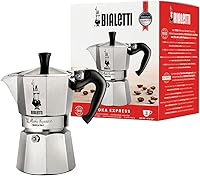
A Moka pot is a simple stovetop brewer. It has three main parts: a lower chamber for water, a filter basket for coffee grounds, and an upper chamber where the brewed coffee collects. It’s a design that’s been around for a long time, and for good reason – it’s effective and easy to use.
The Magic of Steam Pressure
When you heat the Moka pot on the stove, the water in the lower chamber heats up. This creates steam. As the steam builds pressure, it forces the hot water up through the coffee grounds in the filter basket. This water then travels up a tube and into the top chamber, leaving you with rich coffee.
We found that the pressure generated by a Moka pot is typically around 1 to 2 bars. For context, that’s much less than what an espresso machine uses. It’s enough to push the water through the grounds efficiently, creating a concentrated brew. It’s a clever system that works with basic physics.
What Kind of Coffee Does a Moka Pot Make?
The coffee from a Moka pot is often described as rich and strong. It has a bolder flavor and a heavier body than drip coffee. Some people even call it “stovetop espresso” because it’s so concentrated. However, it lacks the crema that is a hallmark of true espresso.
Crema is that beautiful, reddish-brown foam that sits on top of espresso. It’s formed by the emulsification of coffee oils under high pressure. Since Moka pots don’t reach high enough pressures, this layer of crema is generally absent. We found that while the taste is delicious, the texture and appearance are different from espresso.
What an Espresso Machine Does Differently
Espresso machines are designed to do one thing exceptionally well: create true espresso. They achieve this through significantly higher pressure than a Moka pot can generate. This high pressure is key to the unique characteristics of espresso.
The Power of High Pressure
A genuine espresso machine uses a pump to force hot water through finely-ground coffee at very high pressure. This pressure typically ranges from 9 bars or more. For a bit of perspective, 9 bars is roughly the pressure of nine times the Earth’s atmospheric pressure at sea level! That’s a huge amount of force.
We found that this high pressure is essential for extracting the oils and solids from the coffee grounds in a specific way. It’s this rapid extraction under intense pressure that results in the thick crema and intense flavor profile of espresso. It’s a sophisticated process compared to the simple steam power of a Moka pot.
The Result: True Espresso
The coffee produced by an espresso machine is what’s known as espresso. It’s characterized by its intense flavor, syrupy body, and, of course, the signature crema. Espresso is the base for many popular coffee drinks like lattes, cappuccinos, and americanos.
Because it’s so concentrated, espresso is usually served in small quantities. The high pressure also extracts different flavor compounds than lower-pressure methods. We found that many coffee lovers appreciate the complexity and depth of flavor that only true espresso can provide. It’s a distinct sensory experience.
Comparing the Two: A Quick Look
To help you see the differences clearly, let’s put them side-by-side. Understanding these points can help you decide which brewing method fits your lifestyle and taste preferences best.
| Feature | Moka Pot | Espresso Machine |
|---|---|---|
| Brewing Method | Steam pressure | Pump-driven high pressure |
| Typical Pressure | 1-2 bars | 9+ bars |
| Resulting Coffee | Strong, concentrated coffee (not true espresso) | True espresso with crema |
| Crema | Generally absent | Present |
| Complexity | Simple, stovetop | Can be complex, electric |
| Cost | Affordable | Can be expensive |
| Ease of Use | Very easy | Varies, can have a learning curve |
Pressure is Key
As you can see from the table, the biggest difference comes down to pressure. Our guide to espresso pressure explains why it matters. This one factor dictates whether you’re making true espresso or a strong Moka pot coffee. We found that for many home users, a Moka pot offers a fantastic balance of strength and affordability without needing a high-pressure machine.
Simplicity vs. Sophistication
Moka pots are wonderfully straightforward. You add water, coffee, heat it, and wait. There are no complicated settings or electronics. Espresso machines, on the other hand, can range from simple to highly sophisticated. Some require precise grinding and tamping, while others have programmable settings.
Which Brewer is Right for You?
Choosing between a Moka pot and an espresso machine really depends on what you’re looking for in your coffee. Do you crave the intense flavor and thick crema of authentic espresso? Or are you happy with a bold, rich, and strong coffee that’s easy to make at home?
When a Moka Pot Shines
If you love a robust cup of coffee and appreciate simplicity, a Moka pot is likely a great fit. They are relatively inexpensive, durable, and don’t require electricity. We found that they’re perfect for campers, dorm rooms, or anyone who wants a delicious, strong coffee without a big investment.
The coffee you get is certainly satisfying and a step up from most automatic drip machines. It’s an excellent way to get a concentrated coffee that can even be used as a base for milk drinks, though the texture will be different from a latte made with true espresso. Many people start their coffee journey with a Moka pot and never feel the need to upgrade.
When an Espresso Machine is Worth It
If you are a true espresso aficionado, you’ll likely need an espresso machine. You might also want one if you regularly order espresso-based drinks from cafes and want to replicate that experience at home. We found that the quality and consistency of true espresso are hard to match with lower-pressure methods.
However, be prepared for a higher cost and potentially a steeper learning curve. Many espresso machines require specific types of coffee beans, precise grinding, and careful technique to get the best results. It’s a hobby that can be very rewarding for those who enjoy the craft of coffee making.
Key Takeaways for Your Decision
To sum up what we’ve learned about these two brewing methods, consider these points:
- Pressure Matters Most: Espresso machines use 9+ bars; Moka pots use 1-2 bars.
- Crema is Key: True espresso has crema; Moka pot coffee typically does not.
- Flavor Profile: Both are strong, but espresso has a unique intensity.
- Cost & Simplicity: Moka pots are affordable and simple; espresso machines are more complex and costly.
- Your Goal: Decide if you want true espresso or just a strong, rich coffee.
Conclusion
So, is a Moka pot the same as an espresso machine? We’ve researched and found they are distinct brewers. A Moka pot uses steam pressure to create a strong, rich coffee, but it doesn’t reach the high pressure needed for true espresso with its signature crema. Espresso machines, on the other hand, use powerful pumps to achieve this high pressure.
Your choice depends on your coffee goals. If you love simplicity and a bold brew without a big investment, a Moka pot is excellent. If you crave authentic espresso with crema for lattes and cappuccinos, an espresso machine is the way to go. For your next coffee adventure, consider what kind of brew you truly desire and choose the brewer that fits your lifestyle.
Frequently Asked Questions
Can I make a latte with Moka pot coffee?
Yes, you absolutely can use Moka pot coffee as a base for milk drinks like lattes. We found that while it won’t have the same thick crema or intense flavor profile as true espresso, it still makes a wonderfully strong and rich coffee that pairs well with steamed milk. It offers a satisfying, concentrated coffee experience for your homemade lattes.
How much coffee grounds should I use in my Moka pot?
You should fill the Moka pot’s filter basket with coffee grounds, leveling them off gently without tamping them down. We found that overfilling or tamping can create too much resistance, preventing proper water flow and potentially affecting the brew. Aim for a level, fluffy bed of grounds for the best results.
Why doesn’t my Moka pot coffee have crema?
Your Moka pot coffee likely doesn’t have crema because it doesn’t generate enough pressure. We found that true espresso requires about 9 bars of pressure to emulsify coffee oils and create that desirable foamy layer. Moka pots typically operate at much lower pressures, usually between 1-2 bars, which isn’t sufficient for crema formation.
Are Moka pots dangerous to use?
When used correctly, Moka pots are very safe. We found that the main concern is over-pressurization, which can happen if the safety valve gets clogged or if the heat is too high. Always ensure the filter basket is clean and free of grounds, and never tamp the coffee. If you see steam escaping from the sides, reduce the heat immediately.
What’s the best way to clean a Moka pot?
For best results, we recommend cleaning your Moka pot with warm water only, avoiding soap or detergents. Soap can strip the natural oils from the aluminum, affecting the taste of your coffee over time. After each use, simply rinse all three parts thoroughly and let them air dry completely before reassembling.