How Does a Moka Pot Work? A Clear and Simple Answer
On this page (8 sections)
A Moka pot works by using steam pressure to push hot water through coffee grounds. You fill the bottom chamber with water, the middle with coffee, and heat it on the stove. The boiling water turns to steam, creating pressure that forces the water up through the coffee and into the top chamber as brewed coffee. It’s a simple yet effective brewing method, often described as stovetop espresso, delivering a rich and bold cup.
Many shoppers wonder about the magic behind this classic Italian coffee maker. We found that its design relies on basic physics principles. The sealed brewing chamber and the steam’s power work together to extract flavor. This process results in a concentrated coffee, perfect for those who enjoy a stronger brew than drip coffee but don’t have an espresso machine. It’s a fantastic way to enjoy cafe-style coffee at home with minimal fuss and great flavor.
- Moka pots use steam pressure to brew coffee.
- Water in the bottom chamber heats up and turns to steam.
- The steam pressure forces hot water through coffee grounds.
- Brewed coffee collects in the top chamber.
- It makes a rich, concentrated coffee similar to espresso.
Ready to understand exactly how your Moka pot turns water and coffee grounds into that delicious drink? Let’s break down the simple science behind it.
Understanding How Your Moka Pot Brews Coffee
You’ve probably wondered about the science behind that satisfying gurgle. Your Moka pot uses a clever combination of water, heat, and pressure. It’s not quite espresso, but it makes a rich, concentrated coffee. We found that understanding its simple mechanics can help you make an even better cup. Let’s break down the brewing process, step-by-step.
The Anatomy of Your Moka Pot
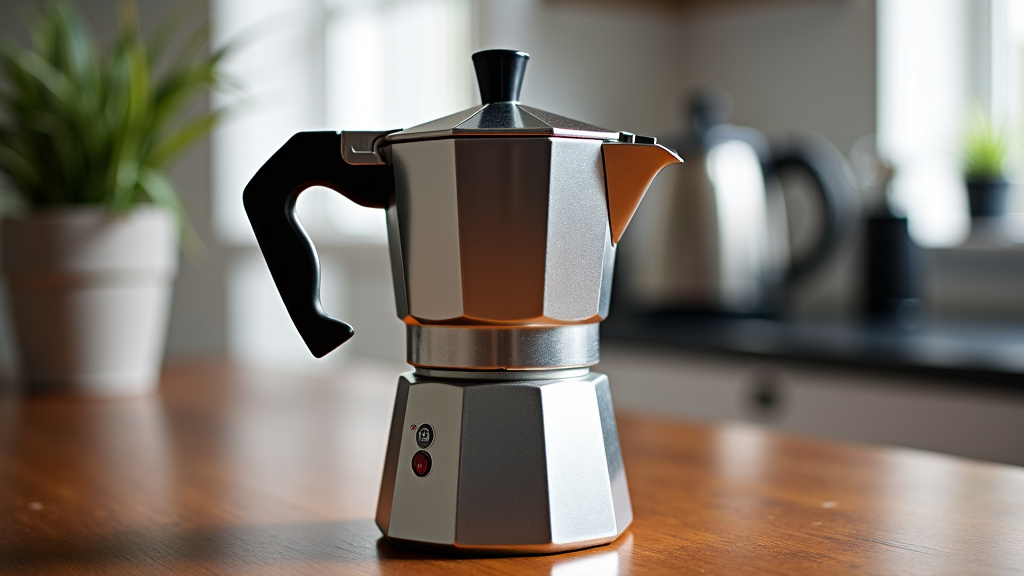
Before we dive into how it works, let’s look at its parts. You have three main sections. Each plays a vital role in brewing your coffee. This design has been around for a long time, proving its effectiveness.
The Base Chamber: Water Reservoir
This is the bottom part. You fill it with water here. It’s usually made of aluminum or stainless steel. This chamber holds the water that will be heated and turned into steam. Make sure not to overfill it; there’s usually a line marking the maximum level. We found that using pre-heated water can speed up the brewing process and sometimes improve the taste.
The Filter Basket: Coffee’s Home
Next, you have the filter basket. This piece sits inside the base. You fill this part with your ground coffee. It has a fine mesh that allows water to pass through but keeps the coffee grounds contained. It’s important to use the right grind size. Too fine, and it might clog; too coarse, and your coffee might be weak. Many experts suggest a grind similar to table salt for best results (Smithsonian Magazine).
The Top Chamber: Where Coffee Collects
This is the upper part where your brewed coffee ends up. It has a spout for pouring. When the coffee brews, it travels up from the base, through the grounds, and into this chamber. It’s designed to collect the liquid coffee while keeping it hot. You’ll hear it gurgle as the coffee finishes brewing.
The Science of Stovetop Pressure Brewing
The real magic happens when you put your Moka pot on the stove. It’s all about how heat affects water and air. We found that this process is quite fascinating and easy to understand once you break it down.
Heating the Water and Creating Steam
When you place the Moka pot on a heat source, the water in the base chamber starts to heat up. As the water gets hotter, it expands. More importantly, it begins to turn into steam. Steam takes up much more space than liquid water. This expansion is key to building pressure inside the sealed base chamber. It’s a fundamental principle of physics – heating a liquid in a confined space generates pressure.
Building Pressure: The Driving Force
As more water turns to steam, the air trapped in the base chamber is compressed. This trapped steam and air create significant pressure. This pressure needs to escape. Since the Moka pot is sealed, the only way for the pressure to relieve itself is upwards. The steam pushes down on the water, forcing it towards the filter basket. We found that this pressure is typically around 1 to 2 bars, which is lower than an espresso machine but high enough to extract rich flavor.
Water Ascends Through the Coffee Grounds
The built-up pressure in the base chamber forces the hot water up through the holes in the filter basket. It travels through the bed of coffee grounds. As the hot water passes through, it extracts the soluble flavors and oils from the coffee. This is the brewing or extraction phase. The amount of time the water is in contact with the grounds influences the final taste. Many baristas note that consistent pressure leads to a more even extraction (Specialty Coffee Association).
Brewed Coffee Collects in the Top Chamber
After passing through the coffee grounds, the liquid, now brewed coffee, travels up a small tube. This tube leads into the top chamber. The pressure continues to push the brewed coffee upwards and into this collection space. You’ll see it start to fill, often with a rich, dark stream. The Moka pot is designed so that once the water level in the base drops too low, steam will start to escape from a safety valve, preventing over-pressurization.
What Makes Moka Pot Coffee Unique?
The brewing method gives Moka pot coffee its distinctive character. It’s often compared to espresso, but Moka pot and espresso differ. We found that knowing these differences helps you appreciate your coffee even more.
Concentration and Flavor Profile
Moka pots produce a coffee that is stronger and more concentrated than typical drip coffee. This is due to the pressure used and the finer grind. However, it typically has less crema and lower pressure than true espresso. The flavor is often described as robust, bold, and sometimes slightly bitter. It’s a satisfying middle ground for many coffee lovers.
The Role of Steam vs. Water Pressure
While espresso machines use high-pressure hot water (around 9 bars) to extract coffee, Moka pots rely more on steam-driven pressure. This difference in pressure affects the extraction process. Higher pressure in espresso machines forces out more oils and creates a thicker crema. Moka pot coffee has a rich flavor, but it’s a different kind of intensity. We found that this makes it less prone to the over-extraction that can lead to bitterness in poorly made espresso.
Tips for Optimal Moka Pot Brewing
Getting the best results from your Moka pot involves a few simple techniques. We found that paying attention to these details can really improve your daily brew.
Grind Size Matters
As mentioned, a medium-fine grind is usually best. Think slightly finer than drip coffee, but not as fine as espresso. If your coffee tastes weak, try a finer grind. If it tastes bitter or brews too slowly, try a slightly coarser grind. It might take a few tries to find your perfect grind size.
Water Temperature and Fill Levels
Using pre-heated water can help. It reduces the time the Moka pot spends on the stove, which can prevent the coffee grounds from overheating and developing a burnt taste. Fill the water chamber to just below the safety valve. Do not tamp the coffee grounds; simply level them off. We found that this gentle approach ensures proper water flow.
Heat Control is Key
Use medium to low heat. Too high a heat will boil the water too quickly, creating excessive steam and potentially scorching your coffee. The coffee should flow steadily, not sputter violently. You want a gentle, consistent stream. Remove the Moka pot from the heat as soon as you hear a hissing sound or see the coffee lighten in color. This indicates the water is nearly gone and steam is starting to come through.
Cleaning After Each Use
After the Moka pot cools down, disassemble it. Rinse all parts with warm water. Do not use soap, as it can leave a residue that affects the coffee’s flavor. Dry all parts thoroughly before reassembling. This prevents corrosion and keeps your Moka pot in great condition for years. Many sources recommend this simple cleaning routine (La Cafetière).
Checklist for a Perfect Moka Pot Brew
Here’s a quick rundown to help you get started or perfect your Moka pot technique:
- Use a medium-fine coffee grind.
- Fill the base with water up to the safety valve.
- Gently fill the filter basket with coffee, do not pack it down.
- Place the top chamber securely on the base.
- Heat on medium to low heat until coffee fills the top.
- Remove from heat as soon as the coffee is brewed.
Conclusion
You’ve now seen how your Moka pot uses simple physics to create a delicious, concentrated coffee. It’s a clever design that relies on steam pressure to push hot water through your coffee grounds. This process results in a bold brew, perfect for those who enjoy a stronger coffee without the need for a fancy machine. We found that mastering the heat control and grind size can make a big difference in your daily cup. Now that you understand the science, you’re ready to brew your best Moka pot coffee yet!
Frequently Asked Questions
Can I use a Moka pot on an induction stove?
Some Moka pots are induction-compatible, but not all. You’ll need to check if your Moka pot is made of magnetic material, usually stainless steel. Aluminum Moka pots typically do not work on induction stoves. We found that checking the manufacturer’s specifications is the best way to be sure.
Why does my Moka pot coffee taste bitter?
Bitter Moka pot coffee is often due to overheating or using too fine a grind. If the coffee brews too quickly or sputters, the grounds might be scorching. Try using a slightly coarser grind and lower heat. We found that removing the Moka pot from the heat as soon as the coffee is brewed can also prevent bitterness.
How much coffee should I use in my Moka pot?
Fill the filter basket with coffee grounds until it’s level with the rim. Do not pack the coffee down. A gentle leveling is all you need. We found that overfilling or tamping can prevent proper water flow and affect the extraction.
Is Moka pot coffee the same as espresso?
No, Moka pot coffee is not the same as espresso. While it’s a concentrated and bold brew, it’s made at lower pressure (around 1-2 bars) than true espresso (around 9 bars). This means it has less crema and a slightly different flavor profile. We found it offers a rich coffee experience that’s a great middle ground.
How do I clean my Moka pot?
After it cools, disassemble your Moka pot and rinse all parts with warm water only. Avoid using soap, as it can leave residues that affect taste. Dry all pieces thoroughly before reassembling. We found this simple method helps maintain your Moka pot and preserve its flavor.


