How Does a Spring Lever Espresso Machine Work? Explained
On this page (3 sections)
A spring lever espresso machine works by using a spring-loaded lever to manually force hot water through coffee grounds. This action mimics the pressure of more advanced machines, creating a rich espresso. You’ll enjoy delicious, cafe-quality coffee right at home with this method.
These machines offer a unique brewing experience. They combine manual lever brewing with the power of a spring mechanism. Many home baristas appreciate the hands-on approach and the consistent results they can achieve. It’s a fascinating blend of old-school charm and practical engineering for your morning cup.
- Spring lever machines use a lever to push water through coffee.
- This manual pressure helps create rich, flavorful espresso.
- They offer a hands-on way to make cafe-style coffee at home.
- It’s a blend of traditional design and modern brewing needs.
Let’s walk through exactly how this happens step by step, so you can understand the magic behind your next perfect shot.
Understanding the Spring Lever Espresso Machine’s Mechanics
A spring lever espresso machine operates through a clever combination of manual effort and stored energy. You’ll learn how this simple design helps you brew delicious espresso at home. It’s a hands-on process that gives you control over the brewing.
The Core Components: What Makes it Tick?
At its heart, a spring lever machine has a few key parts. These work together to create that perfect shot of espresso. Understanding these will demystify the brewing process for you.
The Water Reservoir and Heating Element
First, there’s the water. You fill a reservoir with fresh, cold water. Then, a heating element warms this water to the ideal brewing temperature, typically around 195-205°F (90-96°C). This temperature is critical for extracting the best flavors from your coffee grounds (National Coffee Association).
The Group Head and Portafilter
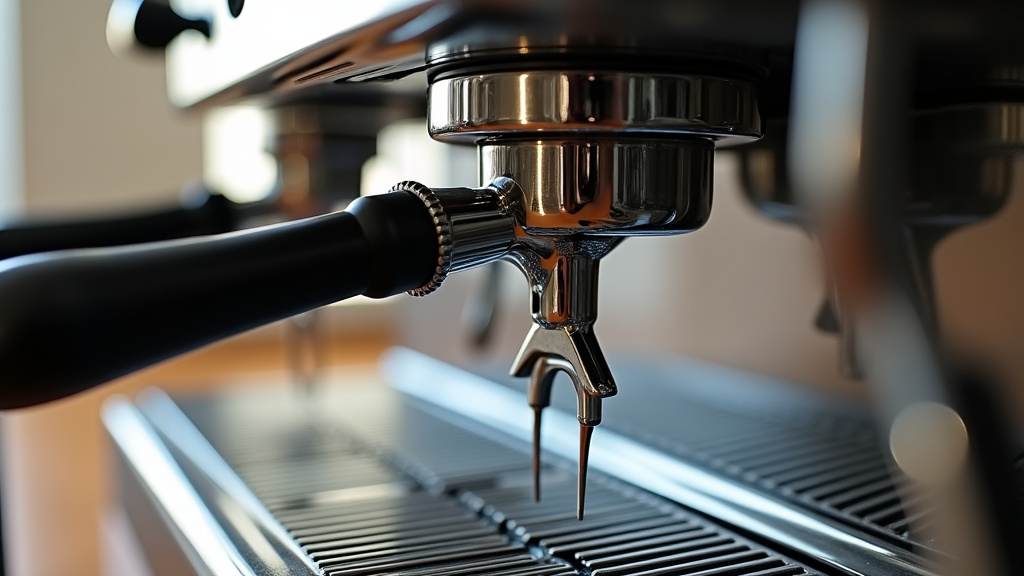
The hot water then moves towards the group head. This is where you insert the portafilter. The portafilter holds your tightly packed coffee grounds. A good seal here is essential for proper pressure.
The Spring Mechanism: The Heart of the Action
This is where the “spring lever” gets its name. Inside the machine, a robust spring is compressed when you lift the lever. Think of it like pulling back a slingshot. This stored energy is what drives the brewing process later.
The Piston and Chamber
Within the group head, there’s a piston and a chamber. The piston moves up and down. When you pull the lever, the piston moves up, drawing hot water into the chamber. This chamber is positioned just above the coffee grounds in your portafilter.
The Brewing Cycle: From Lever Pull to Espresso Pour
Now, let’s walk through the actual brewing. This is where you see the magic happen. It’s a sequential process that builds pressure and extracts flavor.
Step 1: Heating and Priming
You start by heating the water. Once it reaches temperature, you might need to let the machine “prime.” This means letting a little hot water run through to stabilize the temperature. Then, you lock your portafilter, filled with fresh coffee grounds, into the group head.
Step 2: Lifting the Lever (Charging the Spring)
Next, you lift the lever. This action does two main things. It pulls the piston up inside the group head. Simultaneously, it compresses the powerful spring. You’ll feel resistance as the spring is coiled tighter and tighter. You are essentially storing energy at this stage.
Step 3: The Controlled Release (Brewing!)
Now for the exciting part: pressing the lever down. As you gently push the lever, you release the compressed spring. The spring’s energy forces the piston downward. This downward motion pushes the hot water, which has filled the chamber, through the coffee grounds in the portafilter. This is where the pressure is generated.
The rate at which you press the lever is important. A slower, steady press allows for optimal extraction. This controlled release mimics the pressure profiles of more advanced machines. It ensures that the water saturates the coffee grounds evenly and extracts the soluble flavor compounds. Many enthusiasts suggest a press that takes about 20-30 seconds.
Step 4: The Espresso Emerges
As the water is forced through the grounds under pressure, the rich, concentrated coffee begins to flow from the portafilter spouts. You’ll see a beautiful stream of espresso filling your cup. The crema, that reddish-brown foam on top, is a sign of a well-extracted shot. This visual cue tells you that the pressure and temperature were just right.
Why This Design is So Appealing
The spring lever design offers several advantages that many home baristas cherish. It’s more than just a way to make coffee; it’s an experience.
Consistency Through Mechanical Force
While it’s a manual process, the spring mechanism provides a consistent and repeatable pressure. Once the spring is charged, its release is governed by its mechanical properties. This helps ensure that each shot is brewed with similar pressure, leading to more consistent results over time compared to a purely manual lever machine without a spring. For a broader overview, read about manual espresso machines.
The Tactile Experience
There’s a satisfying tactile feedback when using a spring lever machine. You feel the resistance as you pull the lever and the controlled release as you press it down. This hands-on interaction can make the brewing ritual more engaging and enjoyable. It’s like being a chef carefully preparing a dish.
Simplicity and Durability
These machines often have fewer complex electronic parts. This can mean they are simpler to maintain and more durable. They rely on well-engineered mechanical components that can last for many years with proper care.
What to Expect: A Comparison Table
To help you visualize where a spring lever machine fits, consider this comparison. It highlights its unique position in the espresso world. To help you visualize where a spring lever machine fits, consider a heat exchanger espresso machine.
| Machine Type | Pressure Source | Typical Pressure (Bars) | User Control |
|---|---|---|---|
| Spring Lever | Compressed Spring (manual assist) | 8-9 Bars (target) | High (lever speed) |
| Manual Lever | Direct Human Force | Variable, depends on user | Very High (full control) |
| Semi-Automatic/Automatic | Electric Pump | 9 Bars (consistent) | Low (machine controls pressure) |
As you can see, the spring lever offers a middle ground. For a more hands-off alternative, read about capsule espresso machines. This may help when choosing an espresso machine. It provides a user-driven pressure experience but with the assistance of mechanical energy storage.
Getting Started with Your Spring Lever Machine
Ready to try one out? Here’s a quick checklist to keep in mind when you’re brewing.
- Always use fresh, quality coffee beans.
- Grind your beans just before brewing for maximum flavor.
- Tamp your coffee grounds evenly and firmly in the portafilter.
- Preheat your machine and portafilter thoroughly.
- Control your lever press for a steady flow of espresso.
- Clean your machine after each use to keep it in top shape.
Conclusion
You’ve learned how a spring lever espresso machine works through its clever mechanical design. The compressed spring stores energy, which then powers the piston to push hot water through your coffee grounds. This creates that rich espresso you love, right in your kitchen. It’s a hands-on brewing method that offers satisfying control and consistent results.
So, are you ready to experience this unique brewing process yourself? Your next delicious cup is waiting for you to create it. Give it a try and enjoy the hands-on craft of espresso making.
Frequently Asked Questions
How much pressure does a spring lever espresso machine actually produce?
Research shows that spring lever machines aim for around 8-9 bars of pressure during the brew cycle. This is the optimal pressure for espresso extraction, ensuring you get a balanced flavor. The spring mechanism helps achieve this consistently.
Do I need to be strong to operate a spring lever machine?
You don’t need exceptional strength. While you’ll feel resistance when lifting the lever to compress the spring, the spring itself does the hard work during the brew. A steady, controlled press is more important than brute force.
Can I control the brewing time on a spring lever machine?
Yes, you have significant control. The speed at which you press the lever down directly influences how long the water is in contact with the coffee. Most enthusiasts recommend a press lasting about 20-30 seconds for optimal extraction.
Are spring lever machines difficult to maintain?
Generally, spring lever machines are simpler to maintain than many electric pump models. They have fewer electronic components that can break. Regular cleaning and occasional lubrication of moving parts are usually all that’s needed.
What kind of coffee grind works best with a spring lever machine?
You’ll want a fine, espresso-specific grind. It should be ground just before brewing for the best flavor. The grind consistency is key for proper tamping and water flow under pressure.


