What Is a Manual Espresso Machine? A Simple Answer
On this page (3 sections)
A manual espresso machine is a coffee maker that relies on your physical strength to pull a shot of espresso. You control the water temperature and pressure manually. This gives you direct control over your espresso.
Unlike automatic machines, manual ones require more hands-on involvement. You’ll be grinding beans, tamping grounds, and operating a lever. Many coffee lovers choose them for the hands-on experience and ability to fine-tune every shot. It’s a way to connect more deeply with your coffee ritual.
- A manual espresso machine uses your force.
- You control water temp and pressure.
- It offers direct control for better espresso.
- It requires more user effort than automatic models.
Let’s walk through exactly what makes a manual espresso machine unique and what you need to know before you buy one.
Understanding Manual Espresso Machines
So, what exactly is a manual espresso machine? It’s a coffee maker where you provide the muscle. Think of it like a vintage car. It requires more attention and effort than a modern automatic one. But for many, that’s part of the charm and the reward.
The Core Mechanism: Your Strength in Action
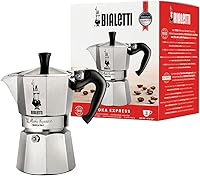
The fundamental difference lies in how the water is forced through the coffee grounds. In an automatic machine, a pump does this for you. With a manual machine, you are the pump. For a different pressure-brewing method, see how a Moka pot works. A steam-driven espresso machine uses steam pressure instead. You’ll typically use a lever to generate the necessary pressure. This pressure is what extracts the rich, concentrated flavor of espresso.
Lever Action Explained
Most manual machines use a lever system. Our guide to manual lever machines explains how they work. You’ll lift the lever, which preps the machine. Then, you push it down. This downward motion pushes water through the coffee puck. The amount of force you apply and how smoothly you do it directly affects the shot. It’s a direct connection between your effort and the coffee.
What Makes Them Different From Other Machines?
Manual machines stand apart from semi-automatic, automatic, and super-automatic espresso makers. You don’t just press a button and wait. You’re involved in almost every step. This hands-on approach is a defining characteristic.
Manual vs. Semi-Automatic
A semi-automatic machine still has a pump. You control the start and stop of the water flow. You still grind, tamp, and load the coffee. But the pressure is generated by the machine’s internal pump. A manual machine requires you to generate both the pressure and control the flow (often with the same lever action).
Manual vs. Automatic and Super-Automatic
Automatic machines take it a step further. They have built-in timers to control the shot volume. Super-automatic machines are the most hands-off. They grind beans, tamp, brew, and often even froth milk with the press of a single button. Manual machines offer the opposite experience – total user involvement.
Key Components You’ll Interact With
When you use a manual espresso machine, you’ll become familiar with a few key parts. Understanding these will help you appreciate the process. Each plays a role in making your espresso.
The Portafilter
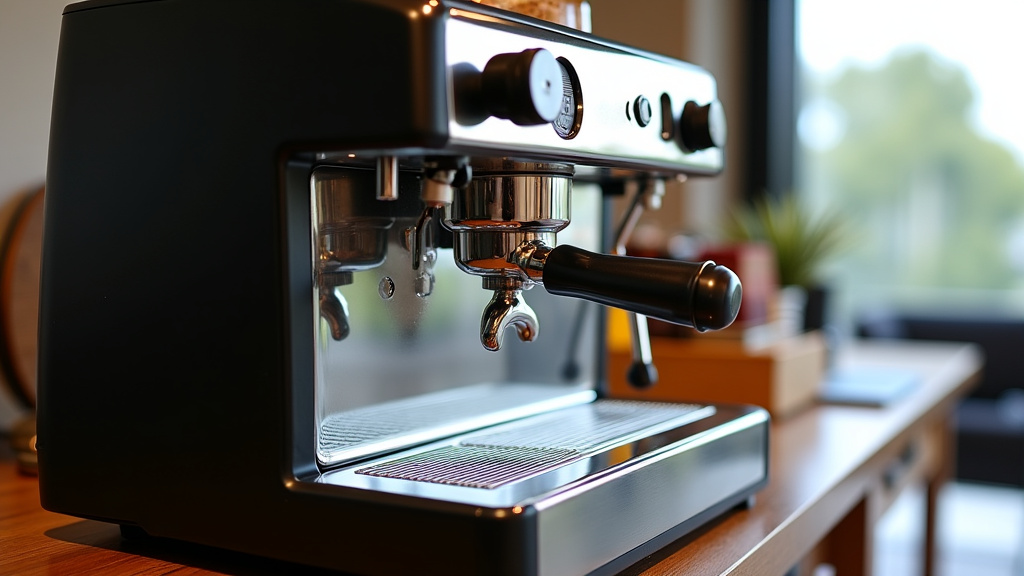
This is the handle with a basket that holds your ground coffee. You’ll fill it with freshly ground beans. Then, you’ll tamp them down firmly. The espresso portafilter then locks into the machine’s group head.
The Tamper
A tamper is essential for manual espresso. It’s a tool used to press down the coffee grounds in the portafilter. Even, consistent pressure is key here. Many find that tamping is an art form in itself. It helps create a dense, uniform puck for even extraction.
The Group Head
This is where the portafilter attaches to the machine. For manual machines, it’s also where the water is channeled from your lever action. The temperature of the group head can influence your shot, so some users take steps to pre-heat it.
The Lever
This is the heart of a manual machine. It’s how you create the pressure. Lifting it might pre-infuse the coffee. Pushing it down forces the hot water through the grounds. The resistance you feel can tell you a lot about your coffee puck.
What Kind of Control Do You Actually Get?
The main draw of a manual machine is the level of control. You’re not just a spectator; you’re an active participant. This allows for fine-tuning every variable. It’s about crafting your perfect cup.
Water Temperature
Unlike many automatic machines that have set temperatures, you can influence this. Some manual machines allow for some temperature adjustment. Others rely on you knowing how to manage pre-heating and cooling. This is a more advanced aspect but offers more precision. Many coffee professionals say that water temperature is one of the most critical factors for espresso quality (European Coffee Academy).
Brewing Pressure Profile
This is where the lever truly shines. You can control the ramp-up of pressure. You can decide how long to hold peak pressure. You can even do a slow release at the end. This ability to shape the pressure profile is impossible with most pump-driven machines. It allows you to adapt to different beans and roasts. You can experiment to find what tastes best.
Flow Rate and Shot Time
By controlling the lever, you directly manage how quickly water flows through the coffee. This, combined with the grind size and tamp, determines your shot time. You can aim for the classic 25-30 second extraction. Or, you can deviate if a specific bean calls for it. It’s all in your hands.
Who Are Manual Espresso Machines For?
These machines aren’t for everyone. They demand a certain mindset and willingness to learn. But if you identify with these points, a manual machine might be perfect for you.
- You enjoy the ritual of making coffee.
- You like to tinker and experiment with your brewing.
- You appreciate the tactile experience of coffee making.
- You want the most direct control possible over your espresso.
- You don’t mind putting in a bit more effort for a potentially better result.
Considerations Before You Buy
Before you decide on a manual espresso machine, think about these practical points. They can help you make an informed choice.
Effort and Learning Curve: These machines require practice. Don’t expect perfect shots from day one. You’ll need patience. Researching techniques like tamping and lever pressure is helpful.
Grinder Quality: A high-quality burr grinder is non-negotiable. The grind size needs to be very consistent for espresso. A good grinder is as important as the machine itself. We found that using a blade grinder often leads to uneven extraction (National Coffee Association).
Maintenance: Like any espresso machine, manual ones need cleaning. You’ll need to backflush and descale regularly. This keeps your machine running well and your coffee tasting great.
Space and Aesthetics: Manual machines often have a beautiful, classic design. They can be a statement piece on your counter. Measure your space to ensure a good fit.
A Quick Comparison Table
Here’s a simplified look at how manual machines stack up:
| Feature | Manual Espresso Machine | Automatic Espresso Machine |
|---|---|---|
| Pressure Source | User’s physical force (lever) | Electric pump |
| Control Level | Highest (temp, pressure, flow) | Lower (often pre-programmed shots) |
| User Involvement | High (grind, tamp, lever pull) | Low (press button) |
| Learning Curve | Steep | Gentle |
| Ideal For | Enthusiasts, experimenters | Convenience seekers, beginners |
Conclusion
You now understand that a manual espresso machine places you at the center of the brewing process. It’s a tool for those who cherish the craft of coffee. By using your own strength, you gain unparalleled control over every element. This hands-on approach can lead to incredibly rewarding espresso. If you enjoy the ritual and want to master your brew, consider starting your manual espresso journey. Your next step is to research specific manual machine models that fit your kitchen and budget.
Frequently Asked Questions
Is a manual espresso machine hard to use?
Yes, manual espresso machines have a steeper learning curve than automatic models. You’ll need practice to master tamping and lever control. Don’t expect perfect shots immediately; patience and willingness to learn are key.
What kind of grinder do I really need for a manual espresso machine?
You absolutely need a high-quality burr grinder. Consistent grind size is critical for espresso extraction with any machine. We found that blade grinders don’t provide the uniformity needed for good manual espresso.
Can I really control water temperature with a manual machine?
Yes, you have more influence over water temperature. Some machines offer direct adjustments. Others rely on your technique for pre-heating or cooling. This level of control is a major benefit for experienced users.
How does a manual machine differ from a semi-automatic one?
A semi-automatic machine uses an electric pump for pressure. You only control when the shot starts and stops. A manual machine requires you to generate that pressure yourself using a lever, offering much more direct interaction.
Are manual espresso machines worth the extra effort?
For many coffee enthusiasts, they are. The reward of crafting a perfect shot through your own effort is significant. If you enjoy the tactile experience and want complete control, the effort is often seen as part of the enjoyment.