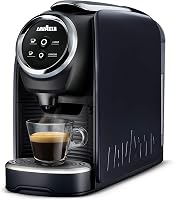
How to Choose an Espresso Machine: The Short Answer Explained
On this page (7 sections)
Choosing an espresso machine involves balancing your budget with your desired coffee quality and ease of use. For beginners, a super-automatic machine is often the best starting point because it handles most steps with just one button push. If you’re willing to learn, a semi-automatic machine offers more control over your espresso shots.
Think about how much time you want to spend making coffee each morning. Do you want a quick cup with minimal effort, or are you excited about the art of espresso making? Your budget and the type of coffee you usually drink at cafes will also guide you towards the right machine, impacting your home coffee experience greatly.
- Super-automatic: Easiest for quick, consistent espresso.
- Semi-automatic: More control for aspiring baristas.
- Manual: Full control, requires practice.
- Budget: Determines features and build quality.
- Ease of Use: Key for daily enjoyment.
Let’s walk through exactly how to pick the right espresso machine for your needs and kitchen countertop.
Picking Your Perfect Espresso Machine
Choosing the right espresso machine can feel like a big decision. You want something that makes delicious coffee without a fuss. We’ve researched what matters most to everyday shoppers. This guide will help you find a machine that fits your lifestyle and budget. Let’s get started on your journey to amazing home-brewed espresso!
Understanding Espresso Machine Types
The first step is knowing the main types of machines available. A stovetop espresso maker is another compact brewing option. Each offers a different experience and level of involvement in the brewing process. Think of it like choosing between a car you drive and one you race.
Super-Automatic Machines: The Push-Button Barista
These are often called “bean-to-cup” machines. You put in whole beans and water. Then, you press a button. The machine grinds the beans, tamps them, brews the espresso, and often froths milk. You get a consistent drink with minimal effort. Many experts suggest these are the best for beginners who want great coffee quickly.
Super-automatic machines are ideal if you’re always on the go. They deliver espresso with little learning curve. You can enjoy a latte or cappuccino without needing barista skills. This makes your morning routine much smoother.
Semi-Automatic Machines: Your Creative Control
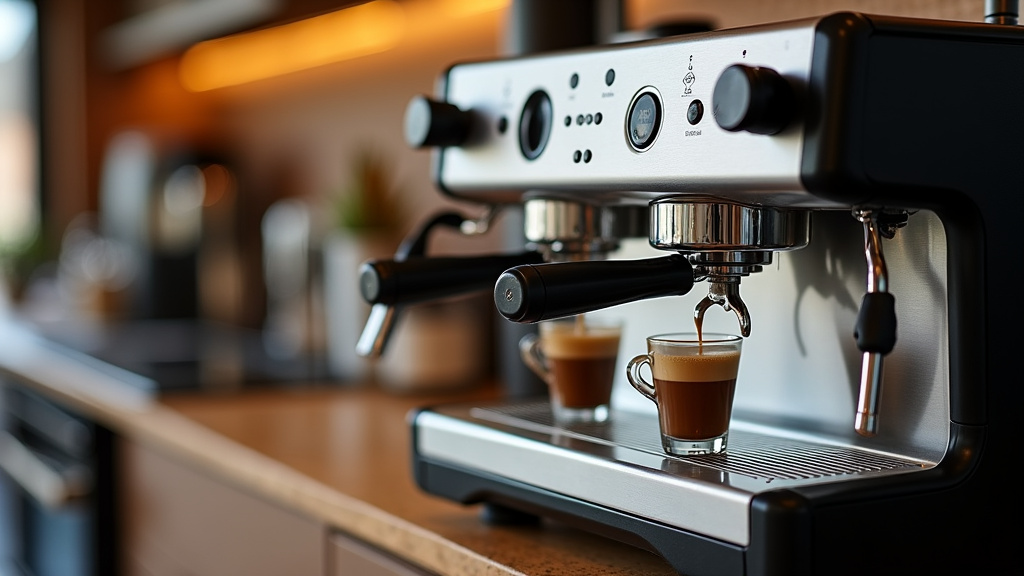
This is where you become more involved. A semi-automatic machine grinds the beans and brews the espresso. However, you control the tamping and how long the shot pulls. You also froth the milk yourself using a steam wand. This gives you more control over the final taste.
If you enjoy the ritual of making coffee, this type is for you. You can experiment with grind size and extraction time. Learning to use a steam wand takes practice. But mastering it lets you create café-quality milk foam. Many enthusiasts prefer this level of interaction.
Manual Espresso Machines: The Purist’s Choice
These are the most hands-on machines. You load the ground coffee into a portafilter. Then you manually operate a lever or pump to create pressure for brewing. Frothing milk is also done manually. These machines offer the ultimate control over every aspect of the shot.
Manual espresso machines are best for those who want to deeply understand espresso. They require the most skill and patience. Expect a learning curve. They are less common for everyday home use unless you’re a true coffee aficionado. They can be rewarding but demand dedication.
Key Factors to Consider
Beyond the machine type, several other features influence your choice. Check the espresso machine wattage if electrical demand matters for your kitchen. Think about these as you narrow down your options.
Budget: What You Can Realistically Spend
Espresso machines range from under $100 to over $2,000. Your budget dictates the quality of materials, features, and durability. Basic semi-automatic machines can be quite affordable. High-end super-automatics with many functions are a larger investment.
We found that setting a budget early helps. It prevents you from getting overwhelmed by options. Aim for the best quality you can afford within your price range. Often, a mid-range machine offers a great balance of features and price.
Ease of Use: Daily Convenience Matters
How much time do you want to spend each morning? If you need coffee in under two minutes, a super-automatic is your friend. If you don’t mind a few extra steps and enjoy the process, a semi-automatic could be perfect. Manual machines are for those who view coffee making as a hobby.
Consider your lifestyle. Do you have kids needing breakfast? Are you rushing to work? Or do you have leisurely mornings where you can craft your perfect cup? Your daily routine should match the machine’s demands. A machine that’s too complicated can become a burden.
Built-in Grinder vs. Separate Grinder
Some machines have integrated grinders, especially super-automatics. Others require you to buy a separate grinder. A good grinder is essential for excellent espresso. Freshly ground beans make a huge difference in flavor.
If your machine doesn’t have a grinder, you’ll need to purchase one. Look for a burr grinder, not a blade grinder. Burr grinders produce a more consistent grind size. Many experts agree that a quality grinder is as important as the espresso machine itself (National Coffee Association).
Water Tank Size and Type
Consider how often you want to refill the water tank. Larger tanks mean less frequent refilling. Some machines have removable tanks, which are easier to fill. Others have plumbed-in options for a continuous water supply. For most home users, a removable tank is most convenient.
Milk Frothing Capabilities
If you love lattes, cappuccinos, or flat whites, milk frothing is key. Super-automatic machines often have automatic milk systems. These can be very convenient but might require more cleaning. Semi-automatic machines use a steam wand. Learning to use a steam wand takes practice but offers more control over foam texture. For those who prioritize simultaneous brewing and steaming, a dual boiler machine offers advanced capabilities.
Comparing Machine Types at a Glance
Here’s a quick look at what each machine type offers. This can help you visualize the differences.
| Machine Type | Ease of Use | Control Level | Best For | Typical Price Range |
|---|---|---|---|---|
| Super-Automatic | Very Easy | Low | Busy people, beginners | $500 – $2,000+ |
| Semi-Automatic | Moderate | High | Home baristas, enthusiasts | $200 – $1,500+ |
| Manual | Difficult | Very High | Purists, experienced users | $150 – $1,000+ |
Making Your Final Choice: A Simple Checklist
Ready to decide? Run through this quick checklist:
- Define your budget. How much are you comfortable spending?
- Assess your time. How much effort do you want to put in?
- Prioritize features. Is milk frothing essential? Do you need a built-in grinder?
- Consider counter space. Measure your kitchen area.
- Read reviews. What do other users say about reliability?
- Think about maintenance. How easy is the machine to clean and descale?
By following these steps, you’ll be well on your way to selecting an espresso machine you’ll love for years to come.
Conclusion
Choosing your espresso machine is about finding the right fit for your lifestyle and coffee tastes. We’ve shown you that super-automatic machines offer unparalleled ease for busy mornings, while semi-automatic ones give you rewarding control for those who enjoy the craft. Don’t forget your budget and how much time you’re willing to spend. By considering these factors, you can confidently select a machine that will bring delicious espresso into your home every day. Your perfect cup awaits!
Frequently Asked Questions
What is the biggest difference between a super-automatic and a semi-automatic espresso machine?
The biggest difference is how much work you do. A super-automatic handles almost everything, grinding beans and brewing with one button. A semi-automatic requires you to grind beans, tamp them, and control the shot extraction yourself, offering more hands-on involvement.
Do I really need a separate coffee grinder if I buy a semi-automatic machine?
Yes, a quality grinder is very important for great espresso. If your semi-automatic machine doesn’t have a built-in grinder, you’ll need to purchase one. A burr grinder is recommended for a consistent grind size, which greatly impacts your espresso’s flavor.
Are manual espresso machines worth it for a beginner?
Manual espresso machines are generally not recommended for beginners. They require significant practice and skill to operate correctly, offering the most control but also the steepest learning curve. It’s best to start with a super-automatic or semi-automatic machine.
How much should I budget for a good entry-level espresso machine?
For a good entry-level machine, you should consider a budget of at least $200 to $500. This range typically allows you to find a reliable semi-automatic machine with decent build quality and features, or a more basic super-automatic model.
How do I clean and maintain my espresso machine?
Cleaning depends on the machine type, but generally involves regular descaling, wiping down external parts, and cleaning the brew group and steam wand. Super-automatic machines with milk systems may require more frequent internal cleaning of those components.