What Size Espresso Machine Do I Need? A Closer Look
On this page (6 sections)
The right espresso machine size for you depends on a few key factors: how much counter space you have, how often you’ll use it, and the types of drinks you plan to make. For a broader buying checklist, see what to look for in an espresso machine. For most home users who enjoy a daily latte or americano, a compact, semi-automatic machine is usually the best fit. These offer a good balance of features and footprint.
When we researched popular home espresso setups, we found that size isn’t just about physical dimensions. It’s also about the machine’s capacity and the features it packs. A larger machine might offer more convenience for busy households or serious baristas, but it comes with trade-offs. Choosing wisely means matching your needs with the machine’s capabilities.
- Counter space is a big deal.
- Consider how many coffees you make daily.
- Think about the drinks you love.
- Compact machines work well for most homes.
- Larger machines offer more power and features.
Let’s dive into the different sizes and types of espresso machines to help you find the perfect one for your kitchen.
Choosing the Right Espresso Machine Size for Your Kitchen
So, you’re ready to join the home barista club? That’s awesome! One of the first big questions you’ll face is about size. It might seem simple – just measure your counter. But espresso machine size is more than just how much space it takes up. It’s also about what it can do and how often you’ll use it. We’ve looked at many different setups, and found that matching the machine’s size to your lifestyle is key to happy coffee making.
Understanding Espresso Machine Footprints
Espresso machines come in a wide range of physical dimensions. Think of them like kitchen appliances – some are compact and sleek, while others are pretty beefy. Your available counter space is the most obvious limiting factor. If your machine will sit in cabinetry, check the space and setup for a built-in espresso machine. A small apartment kitchen might only have room for a machine that’s about 10-12 inches wide. A larger kitchen can easily accommodate machines that are 15-20 inches wide or even more.
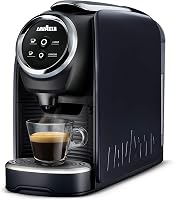
Compact Espresso Machines (Under 12 Inches Wide)
These countertop espresso machines are your perfect starter machines if counter space is tight. They’re designed to fit into smaller kitchens without taking over. Many of these machines can whip up a great shot of espresso. They often have a smaller water tank and a less powerful steam wand, but for a single person or a couple making one or two drinks at a time, they’re often more than enough. Check the wattage requirements before choosing a machine for your kitchen. We found that many models in this category are semi-automatic, giving you control over the brewing process.
Medium-Sized Espresso Machines (12-16 Inches Wide)
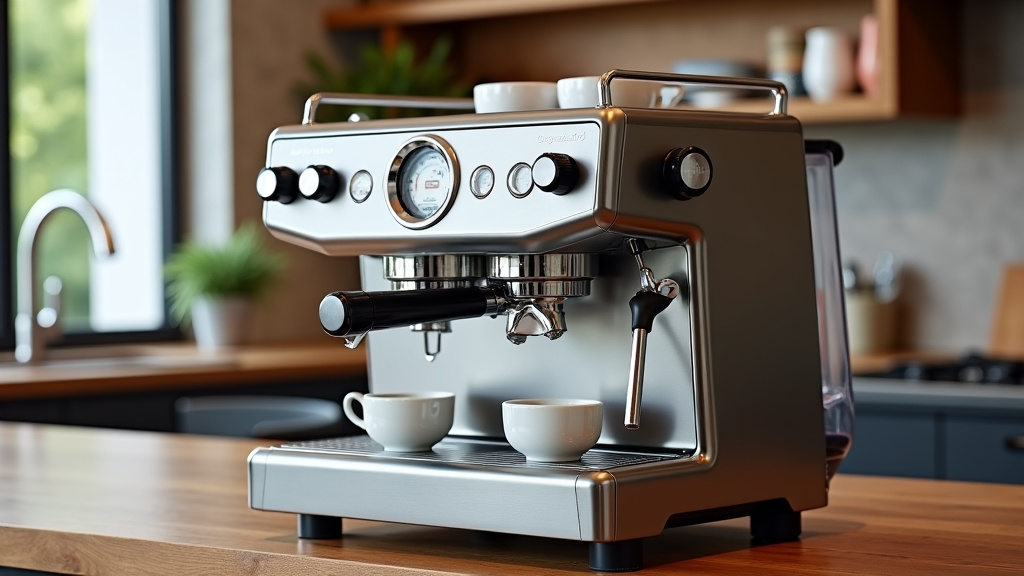
This is the sweet spot for many households. These machines offer a bit more room for features and a larger water reservoir. You might find they have a more robust steam wand, allowing you to froth milk faster. They can also handle making multiple drinks in quick succession a bit better than their smaller cousins. If you regularly make coffee for a few people, or if you like experimenting with different drink styles, this size is often a great choice.
Large Espresso Machines (Over 16 Inches Wide)
These are the powerhouses of the espresso world. Commercial espresso machines are often found in dedicated coffee bars or used by serious enthusiasts, and boast larger boilers, bigger water tanks, and more advanced features. They can handle heavy use, brewing shot after shot with ease. If you entertain often, have a large family that loves coffee, or dream of opening your own cafe, a large machine might be worth the counter space. Just be sure you have the room – these can be quite substantial!
Capacity: What Can Your Machine Hold?
Beyond the physical size, you also need to consider the machine’s internal capacity. This refers to things like the water tank size and the portafilter size. These factors directly impact how often you’ll need to refill or refill components, and therefore, how convenient the machine is to use.
Water Tank Size Matters
Think about how many shots of espresso you pull on an average day. If you’re making just one or two, a smaller water tank (around 1-1.5 liters) is perfectly fine. You’ll only need to refill it every few days. However, if you’re making drinks for a family of four or more, or if you love those afternoon pick-me-ups, a larger tank (2 liters or more) will save you a lot of hassle. We found that many users appreciate not having to top up the water constantly.
Portafilter Size and Your Coffee Habits
The portafilter is the handle that holds your coffee grounds. Most home machines use either a 54mm or 58mm portafilter. A 58mm portafilter is considered the commercial standard. It allows for a larger coffee puck, which can lead to more even extraction and better-tasting espresso, especially if you’re making double shots. While 54mm machines are very common and can make excellent coffee, if you’re aiming for a more professional feel and potentially better consistency, look for machines with 58mm portafilters. We found that enthusiasts often seek out the 58mm size for its perceived performance advantages.
Features vs. Footprint: Finding the Balance
Sometimes, a smaller machine means fewer features. This isn’t always a bad thing! For many, a simple, reliable machine is all they need. But if you want more control or convenience, you might need to make space for a larger unit.
Semi-Automatic vs. Automatic vs. Super-Automatic
The type of machine also influences its size and features.
- Semi-Automatic: You control the grind, tamp, and start/stop the shot. These are often the most compact and offer great control for beginners and enthusiasts.
- Automatic: Similar to semi-automatic, but with programmed shot volumes. They still require you to grind and tamp.
- Super-Automatic: These do everything – grind, tamp, brew, and often steam milk – with the touch of a button. They tend to be larger and more complex, housing more internal components.
Single Boiler vs. Heat Exchanger vs. Dual Boiler
This is where machine size can really increase. The number and size of boilers affect performance and, consequently, the physical dimensions.
- Single Boiler: Has one boiler for both brewing and steaming. You have to wait for it to heat up for steam after brewing. These are usually the smallest and most affordable.
- Heat Exchanger (HX): Uses one boiler but has a tube running through it for steam. This allows brewing and steaming simultaneously, but temperature can be less stable. They are typically medium to large.
- Dual Boiler: Has two separate boilers – one for brewing and one for steaming. This offers the best temperature stability and allows simultaneous brewing and steaming without compromise. These are usually the largest and most expensive machines.
We found that for most home users, a single boiler or a compact heat exchanger machine offers a good balance of performance and size. Dual boiler machines are for those who prioritize speed and ultimate temperature control and have the space.
A Quick Checklist for Your Space
Before you click ‘buy’, ask yourself these questions:
- Do you have enough clear counter space for the machine’s width, depth, and height (consider lid clearance for refilling water)?
- Will the machine fit near a power outlet and water source if needed?
- How many people will use the machine regularly?
- What types of coffee drinks do you enjoy most?
- Are you looking for a machine you can grow with, or a simple start?
- Does the machine’s size match your lifestyle and coffee-making goals?
Conclusion
Choosing the right espresso machine size is about more than just measuring your counter. It’s a smart decision that balances your available space with your coffee-making habits and drink preferences. We’ve seen that compact machines are excellent for many homes, while larger units offer more power for enthusiasts or busy households. Consider your daily coffee needs and the types of drinks you enjoy most. By matching your lifestyle to the machine’s footprint, capacity, and features, you’ll set yourself up for years of delicious home-brewed coffee.
Take a moment to review our checklist and measure your space carefully. Your perfect espresso machine is waiting!
Frequently Asked Questions
How much counter space do I really need for a medium-sized espresso machine?
For a medium-sized machine (12-16 inches wide), plan for at least 20 inches of width to comfortably accommodate the machine itself and allow some room for movement. You’ll also want to check the machine’s depth and height, especially to ensure you can open the lid to refill the water tank.
Can a compact espresso machine make good quality espresso for just one or two people?
Yes, absolutely! Compact machines are often designed to produce excellent espresso shots. While they might have smaller water tanks or less powerful steam wands, they are perfectly capable of meeting the needs of individuals or couples who enjoy one or two coffee drinks per day.
What’s the main difference in performance between a 54mm and a 58mm portafilter?
A 58mm portafilter is the commercial standard and allows for a larger, more uniform puck of coffee grounds. This can lead to more even extraction and potentially better-tasting espresso, especially for double shots. While 54mm machines can still make great coffee, 58mm is often preferred by enthusiasts for consistency.
Are super-automatic espresso machines always the largest type?
Generally, yes. Super-automatic machines integrate multiple functions like grinding, tamping, and brewing into one unit. This consolidation of components requires more internal space, often resulting in a larger physical footprint compared to semi-automatic or automatic machines.
If I only make one latte a day, do I need a large water tank?
Probably not. For a single latte per day, a smaller water tank (around 1-1.5 liters) is usually sufficient. You would likely only need to refill it every few days, which is quite convenient. Larger tanks are more beneficial for households with multiple coffee drinkers or if you often make several drinks in a row.