Moka Pot vs Coffee Maker: Which Should You Choose? (November 2026)
Choose a moka pot for concentrated stovetop coffee and a drip coffee maker for a larger, hands-off batch. Your usual serving size, brew routine and stove access matter most.
On this page (7 sections)
Choose a moka pot for concentrated stovetop coffee and a drip coffee maker for a larger, easier-to-repeat batch. In the moka pot vs coffee maker choice, think about how much coffee you brew, how involved you want to be and whether you prefer a pot or individual cups.
Moka pots use ground coffee and a stovetop. Drip machines use ground coffee or pods, depending on the model, and can brew into a carafe or one cup at a time.
A moka pot's coffee is strong and concentrated, but it isn't espresso from an espresso machine. For details on moka pot crema, read our guide.
Read what a stovetop espresso maker is and how it works before choosing it as an espresso substitute.


Moka pot vs coffee maker: what’s the main difference?
A moka pot needs stove heat and your attention; a drip machine automates more of the brewing routine. The best fit depends on whether you value manual control or a simpler repeatable cup.
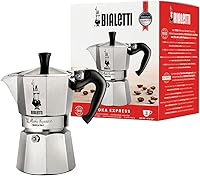
With a moka pot, you add water and ground coffee, close the brewer and heat it on the stove. The Bialetti Moka Express instructions say to turn off the heat when it starts to gurgle.
A drip machine heats water and passes it through ground coffee and a filter. The BLACK+DECKER model uses a standard paper coffee filter and has digital controls, a programmable brew feature and a glass carafe.
The Keurig K-Elite offers another path: select a cup size and brew a K-Cup pod. It can also use ground coffee with a separate reusable filter.
What does “coffee maker” mean here?
In this comparison, “coffee maker” refers to electric drip-style machines rather than espresso machines. The two machines included represent different routines: a carafe brewer for multiple servings and a single-serve brewer for individual cups.
A moka pot is also a coffee maker in the broad sense. The useful distinction is how each one heats water, handles coffee and serves the finished drink.
Which one makes coffee closer to your taste?
Choose moka coffee if you like a small, concentrated cup; choose drip coffee if you want a milder drink or a larger mug. Strength also depends on the coffee and how much water you add after brewing.
Moka brewing produces a richer, more concentrated drink than typical drip coffee. You can drink it in a small cup, or dilute it with hot water for a longer cup.
Drip brewing makes coffee directly into a carafe or a serving cup. The BLACK+DECKER glass carafe has markings for filling and pouring, while the K-Elite has a Strong Brew setting for a bolder single serving.
Neither type guarantees a particular taste. Bean choice, grind, water and brewing habits all affect the cup.
For espresso-style drinks, see how to use a moka pot for strong coffee and adjust expectations: moka coffee is concentrated, but it isn't espresso.
Can a moka pot make coffee for milk drinks?
A moka pot can make a concentrated base for a milk drink. You can add steamed or frothed milk to suit your taste.
The moka pot doesn't froth milk by itself. If you want both pieces of equipment, our guide to a moka pot with a milk frother explains what to consider.
A drip machine can also provide coffee for a milk drink, but a full carafe may be more than you need for one serving. A single-serve brewer lets you make one cup before adding milk.
Which is easier to use and clean?
A drip machine usually asks less attention during brewing; a moka pot has fewer electronic controls but needs stove monitoring. Cleanup is straightforward for both if you follow the right routine.
The Bialetti Moka Express should be rinsed with water after use, without detergent, and it shouldn't go in the dishwasher. Let it cool before handling, then separate the parts and rinse away the grounds.
The BLACK+DECKER machine uses a standard paper filter, and its carafe collects brewed coffee for serving. The K-Elite has a removable drip tray and a maintenance reminder for descaling.
With either electric machine, follow the manual for cleaning and maintenance. A moka pot may appeal if you prefer a compact manual brewer, while a drip machine suits a routine built around buttons, a carafe or a programmed start.
Is a moka pot harder to use?
You fill it with water and ground coffee, heat it, and take it off the stove when the brew begins to gurgle.
That still requires you to be nearby. If you want to start coffee and move on to another task, a programmable drip machine is a better match.
How much coffee can each make?
Pick a moka pot by espresso-cup servings and a drip machine by the mug or pot you need. The cup labels don't always represent the same serving size.
The smaller Bialetti Moka Express has a 130 ml capacity. The larger Bialetti is described as a 12-cup moka pot, with its size measured in espresso cups.
The BLACK+DECKER carafe holds 12 cups, with each cup defined as about 5 oz. This is a larger batch format than the 130 ml moka pot, though a 12-cup carafe's “cups” are still smaller than many travel mugs.
The K-Elite brews 4, 6, 8, 10 or 12 oz at a time. Its 75 oz reservoir can supply multiple cups before you refill it.
How many people are you brewing for?
For one person who wants a small concentrated serving, a compact moka pot may be enough. For several people drinking regular mugs, a carafe brewer saves repeated brewing cycles.
A single-serve machine works well when people want different cups at different times. It doesn't make a shared pot, so consider how often you'd need to start another brew.
Which should you choose for your kitchen?
Choose based on your stove, counter space and daily routine, not just the brewing style. Measure the spot and consider what you need to clean and store.
A moka pot doesn't need an electric coffee machine on the counter, but it does need a suitable stovetop. The Bialetti models work on gas and electric stoves; induction use requires the Bialetti induction adapter plate.
A carafe machine needs counter space and an outlet. The BLACK+DECKER measures 8.25 in deep, 12.25 in wide and 11 in high, so check its footprint and clearance before setting it under cabinets.
The K-Elite measures 9.9 in deep, 12.7 in wide and 13.1 in high. Its removable reservoir makes refilling easier, but the machine still needs a place to sit near an outlet.
If you prefer a different manual brew method, compare the moka pot vs AeroPress to see how their routines and serving styles differ.
What if you use an induction stove?
Check induction compatibility before buying a moka pot. These Bialetti models need the Bialetti induction adapter plate for induction cooking.
Electric drip machines don't rely on the stove, so an induction cooktop won't affect their brewing. They do need a suitable electrical outlet and counter space.
Which option gives you the most flexibility?
A drip machine offers more built-in convenience, while a moka pot gives you a simple manual brew with fewer settings. The flexibility you need depends on whether you vary cup size, strength or timing.
The K-Elite gives you five cup sizes, a Strong Brew setting, an iced setting and hot water on demand. It also brews K-Cup pods; for ground coffee, the separate Universal My K-Cup reusable filter is sold separately.
The BLACK+DECKER lets you program a brew up to 24 hours ahead and pause the flow temporarily to pour a cup. It uses ground coffee and a standard paper filter.
A moka pot keeps the process manual. You decide how long to heat it and how to serve the concentrated coffee, but you won't get a programmed start or multiple cup-size buttons.
For a stove-free manual option, a Vietnamese phin coffee maker uses a different brewing method. A Japanese siphon coffee maker offers another alternative for people who enjoy a more involved brew routine.
Which coffee maker is the better fit for you?
Choose a moka pot if you want concentrated stovetop coffee and don't mind tending the brew; choose drip if you want a larger pot or an easy single cup. Match the machine to your usual serving and available kitchen space.
Choose the smaller moka pot for a compact manual routine, or the larger size if you often serve several small cups. Pick the carafe machine for a household that drinks pot coffee, and the single-serve brewer for separate cups throughout the day.
Frequently asked questions
Is a moka pot the same as a coffee maker?
A moka pot is a manual stovetop coffee maker, while a drip coffee maker heats water and brews through a filter. Both make coffee from ground beans, but the process and serving style differ: moka coffee is concentrated, and drip coffee is usually brewed as a mug or pot.
Does a moka pot make espresso?
A moka pot makes strong, concentrated coffee, but it isn't the same as espresso from an espresso machine. It brews on a stovetop without the same pump pressure.
Choose it for a small, rich coffee that you can drink as is or dilute with hot water or milk.
Which is easier to use every morning?
A drip machine is easier if you want to load it, set a brew time and make a pot with less attention. A moka pot is simple but more manual: you fill it, heat it on the stove and remove it when brewing is done.
Can you make just one cup with a drip coffee maker?
Some drip machines let you brew a smaller amount, but check the model's instructions and minimum fill. A single-serve brewer is more direct when you want one cup at a time; the Keurig K-Elite offers 4, 6, 8, 10 and 12 oz sizes.
How do you choose a moka pot size?
Choose by the number of small espresso-style servings you want, not the number of large mugs. Moka Express sizes are measured in espresso cups, so a 12-cup pot doesn't mean 12 full-size mugs.
The 130 ml Bialetti is a smaller option for a modest batch.