How to Use a Vietnamese Coffee Maker
To use a Vietnamese coffee maker, add medium-coarse grounds to the phin, settle them with the press, bloom with a little hot water, then pour slowly and let the coffee drip into your cup.
On this page (10 sections)
- How do you use a Vietnamese coffee maker step by step?
- What coffee and grind should you use in a phin?
- How much coffee and water should you add?
- How long should you bloom Vietnamese coffee?
- How do you control the phin drip?
- What should you do if the coffee drips too fast or too slowly?
- How is a phin different from a stovetop espresso maker?
- What can help with measuring and serving?
- How do you clean a Vietnamese coffee maker?
- How do you use a Vietnamese coffee maker for a reliable cup?
To use a Vietnamese coffee maker, add medium-coarse grounds to a phin filter, settle the press, bloom the coffee with a little hot water, then pour slowly and let it drip into your cup. A steady drip gives the grounds time to brew without flooding the basket.
A phin is a small metal brewer with a perforated basket, a press, and a lid. The method is simple, but grind size, the amount of coffee, and how firmly the press sits can change the brew time.
How do you use a Vietnamese coffee maker step by step?
Set the phin over your cup, add level grounds, bloom them, then pour the remaining water in a slow stream. Keep the lid on while the coffee drips.
- Warm the phin and cup with hot water, then empty them.
- Add medium-coarse ground coffee to the basket and level the surface.
- Place the press on the grounds so it rests flat, without forcing it down.
- Pour in a small amount of hot water to wet the grounds.
- Wait about 30 seconds for the bloom.
- Slowly add the rest of the water, put on the lid, and let it drip.
Use a cup that can hold the brewed coffee and any additions you plan to use. If you're choosing a brewer, compare the parts and sizes in our guide to the best Vietnamese phin coffee maker.
What coffee and grind should you use in a phin?
Start with medium-coarse coffee that feels between table salt and coarse sand. It should be fine enough to slow the water, but coarse enough to avoid clogging the small holes.
Freshly ground coffee gives you more control over texture. If you buy pre-ground coffee, choose one intended for drip or pour-over brewing, then adjust if the phin runs unusually fast or slow.
The types of coffee beans you choose also shape the cup's flavor. A sampler can help you compare origins and roast styles; see our guide to the best coffee bean sampler gift.
How much coffee and water should you add?
Use enough grounds to cover the bottom of the basket in an even layer, and add water in two pours. A small first pour wets the grounds for the bloom; the second fills the brewer without overflowing it.
Phin baskets vary, so follow any size guidance that came with yours. If you don't have a starting ratio, try about 2 tablespoons of coffee for a small phin, then adjust for a stronger or lighter cup.
Keep the water below the rim so it doesn't spill over the side. A controlled pour also makes it easier to see whether water is moving through the bed evenly.
How long should you bloom Vietnamese coffee?
Let the coffee bloom for about 30 seconds after the first pour. This gives the grounds time to get evenly wet before the main pour.
Use just enough water to dampen the bed. If the press floats or water begins dripping quickly, reduce the bloom pour next time or set the press more evenly.
How do you control the phin drip?
Aim for a slow, steady drip rather than a stream or a complete stall. Pour gently, keep the press level, and avoid pressing down hard on the coffee.
A brew often takes several minutes, depending on the phin, grind, and amount of coffee. If it finishes very quickly, try a finer grind or a slightly fuller basket; if it barely drips, use a coarser grind or ease the press.
Don't keep lifting the lid to check. Opening it lets heat escape and can disturb the brewer while it is working.
What should you do if the coffee drips too fast or too slowly?
Change one variable at a time: grind, coffee amount, or press position. That makes it easier to find the cause instead of changing the whole recipe.
- Too fast: use a finer grind, add a little more coffee, or make sure the press rests flat.
- Too slow: use a coarser grind, reduce the coffee slightly, or check for blocked holes.
- Uneven flow: level the grounds and check that the phin sits securely over the cup.
Rinse the basket and press after brewing so fine particles don't block the holes next time. Let the pieces dry before storing them.
How is a phin different from a stovetop espresso maker?
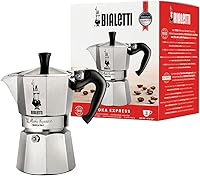
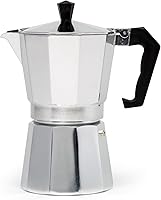
A phin drips hot water through coffee into a cup, while a stovetop espresso maker uses heat to push water through grounds. They brew in different ways, so their timing and grind needs aren't interchangeable.
If you're comparing the two methods, see What Is a Stovetop Espresso Maker? The Basics Explained.
The Bialetti Venus is a stainless steel stovetop coffee maker; its instructions say to turn off the heat when it begins to gurgle.
A phin is a good fit when you want a cup brewed by a slow drip. Choose a stovetop brewer if you prefer coffee made directly on the hob.
What can help with measuring and serving?
Use a cup with enough room for the drip and any milk or sweetener you plan to add. A stable mug also gives the phin a level surface to rest on while it brews.
The Bodum 34oz Pour Over Coffee Maker uses a reusable stainless steel mesh filter and a borosilicate glass carafe. It is a different brewer from a phin, but its pour-and-drip method may suit readers who want a larger manual brew.
For a cup at home, browse our guide to best coffee mugs. For commuting, compare best coffee cups to go or best coffee thermos.
The Veken French press uses a glass carafe and a four-layer stainless steel filter. It steeps coffee before pressing, so use its own method rather than treating it like a phin.
How do you clean a Vietnamese coffee maker?
Take the phin apart and rinse the basket and press after each brew. Remove trapped grounds from the holes, then let the pieces dry before putting them away.
Avoid abrasive tools that could damage the brewer. If coffee oils build up, use a mild cleaning method allowed by the phin's care instructions, then rinse thoroughly so no soap remains.
How do you use a Vietnamese coffee maker for a reliable cup?
For a reliable phin brew, start with medium-coarse grounds, bloom for about 30 seconds, and pour slowly. Adjust grind size or coffee amount if the drip runs too quickly or stalls.
Choose a phin when you want a slow, single-cup drip. If you're deciding between brewing methods, compare it with a stovetop brewer, pour-over, or French press and use the method that fits your cup and routine.
Frequently asked questions
How much coffee do you put in a Vietnamese coffee maker?
Fill the phin basket with enough ground coffee to cover its base, then level it without packing it tightly. The right amount depends on the basket size and your taste, so start with a moderate layer and adjust the next brew.
Leave room for the press and water to flow through.
How long should Vietnamese coffee bloom?
Let the grounds bloom for about 30 seconds after adding a small amount of hot water. The coffee should be evenly wet before you add the rest.
If water pools above the press, use less water for the bloom or loosen the press slightly.
Why is my phin coffee dripping too fast?
Fast dripping can mean the grounds are too coarse, the basket is underfilled, or the press is not resting evenly. Use a finer grind, level the coffee, and make sure the press sits flat.
Make one adjustment at a time so you can see what changes the flow.
Can you use regular ground coffee in a phin?
Yes, but grind size affects the drip. Medium-coarse grounds are a useful starting point; very fine grounds may clog the holes, while very coarse grounds can let water pass too quickly.
If your coffee runs fast or stalls, adjust the grind before changing several steps at once.