Cold Brew vs Espresso: Which Method Should You Choose? (November 2026)
Choose cold brew for a smooth, make-ahead drink and espresso for a concentrated shot brewed in minutes. Cold brew takes hours to steep, while espresso uses hot water under pressure for a quick extraction.
On this page (8 sections)
Choose cold brew for a smooth, make-ahead drink and espresso for a concentrated shot brewed in minutes. In a cold brew vs espresso comparison, the main differences are extraction temperature, equipment, preparation time and how you serve the coffee.
Cold brew steeps coarse grounds in cool water for hours. Espresso pushes hot water through finely ground coffee under pressure, producing a small, concentrated drink.
Both methods can make enjoyable coffee, but they suit different routines. This guide compares the brewing process and helps you choose by taste, time and equipment.

How do cold brew and espresso differ?
Cold brew uses time and cool water; espresso uses hot water and pressure. Those different extraction methods shape the flavor, serving style and gear each method needs.
For cold brew, you combine coffee grounds with cool or room-temperature water and leave them to steep. When brewing is finished, strain out the grounds and serve the coffee over ice or with milk.
Espresso starts with finely ground coffee in a portafilter. An espresso machine forces hot water through the coffee puck, producing a concentrated shot in a short brew cycle.
The methods also use different grind sizes. Cold brew generally calls for coarse grounds, while espresso needs a fine grind suited to the machine and basket.
Which method takes less time?
Espresso is faster to brew; cold brew takes hours but needs little attention while it steeps. Think about the time you have before you want your first cup.
Once an espresso machine is heated and prepared, brewing a shot takes minutes. You still need time to grind, dose, tamp and clean up, but you can make a fresh drink when you want it.
Cold brew requires planning ahead. The active steps are simple, but the steep itself takes many hours, so it works best when you prepare a batch before you need it.
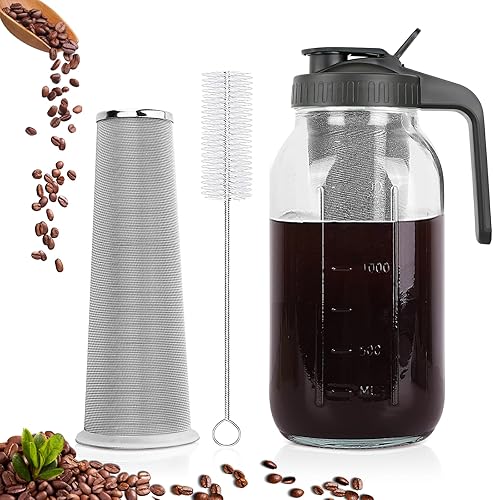
A pitcher can make that routine easier by combining steeping, filtering and storage. The [Cold Brew Coffee Maker] product box below is one option for making a pitcher at home.
If you want espresso instead, you’ll need a machine capable of brewing under pressure. Our espresso machine guide explains which features to consider before choosing one.
Which drink is more concentrated?
Espresso is more concentrated by volume, while cold brew is often served as a larger drink. Concentration and total caffeine are different measures, so serving size and recipe matter.
An espresso shot packs a strong coffee flavor into a small amount of liquid. Cold brew can be served as a longer drink over ice, and some recipes use a concentrate that you dilute with water or milk.
A strong-tasting cold brew isn't automatically more concentrated than espresso. The coffee-to-water ratio and amount in your cup affect the final drink.
If you’re comparing espresso with a larger mug of brewed coffee, the serving size changes the picture. Read our espresso vs coffee comparison for a closer look at how those drink styles differ.
Is cold brew more caffeinated than espresso?
Neither method always has more caffeine in every serving. The bean, recipe, serving volume and whether a concentrate is diluted all affect the amount you drink.
Espresso is concentrated, but it is typically served in a small shot. A larger cold brew may contain more total caffeine than one shot, even if it tastes less intense.
Check the caffeine information for the drink you plan to buy or make when that amount matters to you. Don't use flavor strength alone as a measure of caffeine.
How do the flavors compare?
Cold brew often tastes smooth and mellow, while espresso has a more intense flavor in a small serving. Roast and coffee choice still make a big difference within either method.
A long steep in cool water brings out a different balance from a quick extraction with hot water. Cold brew is often served chilled, while espresso is usually served hot or used as the base for another drink.
Coffee also has more than one way to extract. A pour over coffee guide explains another hot-water method that gives you a larger cup without an espresso machine.
For a cold brew with a medium roast and sweet, caramel, and hazelnut notes, consider [Bizzy Organic Cold Brew Coffee]({{amazon B085LRL8N8}}). Its coarse grind is made for cold brew, so it fits a batch steeping routine.
For a darker profile, [Bizzy Organic Cold Brew Coffee]({{amazon B089M96MJG}}) has chocolate, berry, and brown sugar notes. It is also coarse ground for cold brew.
What equipment does each method need?
Cold brew needs a vessel and a way to strain the grounds; espresso needs an espresso machine and a fine grind. Consider the counter space, upkeep and budget as well as the brewing steps.
A jar or pitcher can work for cold brew if you can keep the grounds contained and strain them out. A dedicated cold brew pitcher combines a filter and storage vessel, which can simplify the process.
For espresso, the machine is only part of the setup. A grinder that can produce a fine, consistent grind helps you adjust the shot to your coffee and machine.
Pressure is one part of espresso extraction, but it doesn't tell the whole story of choosing a machine. See what brew pressure means for espresso before comparing machine specifications.
Can you use espresso roast for cold brew?
Yes, you can use espresso-roast coffee for cold brew if it's ground appropriately for steeping. The roast label doesn't require a particular brewing method.
Espresso roasts are often chosen for their flavor when brewed as espresso, but they can also be steeped in cool water. Use a coarse grind for cold brew and adjust the coffee-to-water ratio to taste.
Our guide to using Starbucks Espresso Roast for cold brew covers that specific coffee choice. For a different comparison, see ristretto vs espresso vs lungo to understand how shot volume changes espresso drinks.
Should you choose cold brew or iced espresso?
Choose cold brew if you want a chilled batch ready in the fridge; choose iced espresso if you want a fresh shot poured over ice. They are both cold coffee drinks, but only one is brewed cold.
Cold brew is steeped for hours without hot-water extraction. Iced espresso starts with a hot shot that is chilled by ice or other cold ingredients.
Cold brew and iced coffee also use different brewing processes. Compare cold brew vs iced coffee if you’re deciding between a long steep and a regular hot brew served over ice.
Java House offers a ready-to-drink cold brew option with a dark roast espresso flavor. [Java House dark roast Liquid Cold Brew]({{amazon B08QVNDNWP}}) is already brewed and needs no mixing or measuring.
How hot should espresso be served?
Espresso is brewed with hot water, but you can let it cool or pour it over ice before drinking. Choose a serving temperature that feels comfortable and preserves the flavor you enjoy.
A very hot drink can be unpleasant to sip, so give it time to cool when needed. Read our guide to how hot coffee should be to drink for practical serving-temperature advice.
If you prefer coffee you can prepare in advance, choose cold brew and keep a batch chilled. If you want a fresh, short drink and have the right equipment, espresso is the more direct fit.
Which brewing method should you choose?
Pick cold brew for batch preparation and espresso for a quick, concentrated shot. Your choice should match when you drink coffee, how much you want to make and what equipment you already have.
Choose cold brew if you like a larger chilled drink and can plan ahead. Coarse-ground coffee and a pitcher with a filter can make the routine straightforward.
Choose espresso if you want a small, intense drink made on demand and are ready to use an espresso machine. If you value speed without a machine, ready-to-drink cold brew can also save preparation time.
The key difference is the brew itself: cold brew relies on a long cool-water steep, while espresso relies on a brief hot-water extraction under pressure. Choose the method that fits your daily schedule and preferred serving style.
Frequently asked questions
Is cold brew stronger than espresso?
Espresso is more concentrated by volume, while cold brew can be served as a larger drink or diluted if it's a concentrate. Strength also depends on the coffee-to-water ratio and serving size, so compare the drink as prepared rather than judging by the method's name alone.
Can I make espresso with cold brew coffee?
No, cold brew isn't espresso because it isn't extracted under pressure with hot water. You can pour cold brew over ice or add milk for a similar chilled coffee occasion, but it won't have espresso's shot format or extraction.
Does cold brew have more caffeine than espresso?
It depends on the recipe and serving size. Espresso is concentrated, but a large cold brew serving may contain more total caffeine than a small shot; check reliable caffeine information for the exact drink and amount rather than assuming one method always has more.
Can espresso be served cold?
Yes. Brew espresso hot, then pour it over ice or use it in a chilled drink.
That makes iced espresso, not cold brew, because the coffee was extracted quickly with hot water rather than steeped in cool water for hours.
Which method is easier to make at home?
Cold brew needs little active work but takes hours to steep, while espresso needs a machine and takes only a few minutes to brew once ready. Pick based on whether you prefer planning ahead or making a quick, concentrated drink on demand.


