Ristretto vs Espresso vs Lungo: Which Should You Brew? (November 2026)
Choose ristretto for a shorter, concentrated shot, espresso for a balanced standard shot, and lungo for a longer pull. In a ristretto vs espresso vs lungo comparison, shot volume and extraction time shape the cup, but your coffee and machine matter too.
On this page (6 sections)
Choose ristretto for a short, concentrated shot, espresso for a standard pull, and lungo for a longer one. The ristretto vs espresso vs lungo choice depends on how much water passes through the coffee and how that extraction tastes to you.
The names refer to related espresso styles, not three unrelated brewing methods. A shorter or longer pull can change both the cup's strength and its flavor balance.
If you want a quick comparison, start with a ristretto, then a standard espresso, then a lungo using the same coffee dose. The change in volume makes the differences easier to notice.


Ristretto vs espresso vs lungo: what changes?
The main difference is the amount of water used for the shot. Ristretto is shorter, espresso is the standard reference, and lungo is longer.
A ristretto stops the shot earlier, producing less liquid from the coffee dose. Espresso uses a middle range, while lungo continues with more water passing through the grounds.
There isn't one universal volume for every machine or recipe. Some capsule makers set a serving size, while manual espresso machines give you more control over when to stop the shot.
For model-specific steps, see using a De'Longhi espresso machine.
A short shot may taste concentrated and full-bodied. A longer extraction can taste more open, but it can also draw out more bitter notes if the recipe runs too far.
What is a long espresso?
A long espresso is commonly another way to describe a lungo: a larger espresso-style drink made by running more water through the coffee. Some cafes and machines use their own names and serving sizes, so check the actual recipe rather than relying on the label alone.
A lungo is different from an Americano. An Americano adds hot water to espresso after extraction, while a lungo gets its extra volume as water continues through the coffee puck.
For the difference between those drinks, see our comparison of lungo vs espresso vs americano.
How do ristretto, espresso, and lungo taste?
Ristretto often tastes concentrated, espresso more balanced, and lungo less concentrated with a longer extraction. The coffee, grind, dose, and machine can shift those impressions.
A ristretto's smaller yield can emphasize body and sweetness, though it may also taste sharp if the coffee or recipe doesn't suit a short pull. It is not simply a stronger version of every espresso.
A standard espresso gives you a useful baseline. It can show the coffee's main character without the smaller yield of ristretto or the added extraction of lungo.
Lungo can make a cup that feels lighter in concentration, but the longer pull may bring out more bitterness. If the result tastes dry or harsh, stop earlier or adjust the grind and dose.
If you're comparing espresso with a larger cup of brewed coffee, our guide to espresso vs coffee explains how the drinks differ beyond serving size.
Which shot should you brew first?
Start with a standard espresso, then shorten or lengthen the pull to match your taste. This gives you a baseline before changing the recipe.
Keep the dose and grind consistent across your first comparison. Change only the final shot volume, and note whether the cup tastes sweeter, sharper, heavier, or more bitter.
Choose ristretto for a compact, concentrated cup
Ristretto fits a drinker who wants a small, intense sip or a short base for a milk drink. It can also work when a standard espresso tastes too long or diluted to you.
Use a coffee that stays pleasant as a short pull. Lavazza Super Crema is a whole-bean medium espresso roast with an Arabica and Sturdya blend, so you can adjust the grind as you explore different shot lengths.
If you use capsules, Nespresso Original Ristretto Italiano is a ready-to-brew option designed around a ristretto-style cup. It has a roasty profile with fruity notes and a hint of acidity.
Check machine compatibility before choosing capsules. Original pods don't fit Vertuo machines, and Vertuo pods don't fit Original machines.
Choose espresso for a familiar starting point
Espresso is the best place to begin if you're still learning what you like. Its standard pull gives you a reference for deciding whether a shorter or longer shot improves the cup.
Whole beans can help you make small changes to grind and shot volume. With a pod system, follow the capsule's intended serving size first, then use any supported brew-size controls.
For the basic routine, see how to use a capsule espresso machine.
Our guide to brew pressure for espresso explains why pressure is one part of extraction, alongside grind, dose, and water flow.
Choose lungo for more volume in the cup
Lungo suits you if you want a larger espresso-style serving without adding separate hot water. It continues extraction for longer, which changes how the coffee tastes as well as how much liquid you get.
A Vertuo Double Espresso Chiaro capsule provides a stated 2.7 fl oz serving. Its woody and earthy notes make it an option when you want a longer pod serving with a distinct flavor profile.
A lungo can taste bitter if the shot runs too long for the coffee. Try stopping sooner before changing several recipe settings at once.
How do you compare shot lengths at home?
Use one coffee and dose, then vary the output volume in measured steps. Changing one thing at a time makes the result easier to judge.
Start by weighing your coffee dose and the drink in the cup. Record the grind setting, brew time, and yield so you can repeat a shot you like.
Pull a standard espresso first. Then make a shorter shot for ristretto and a longer one for lungo, keeping the dose and other settings as close as you can.
Taste each shot soon after brewing. Note whether sweetness, acidity, body, or bitterness stands out, and choose the balance you prefer rather than chasing a fixed definition.
If you have a Nespresso Original machine and want both ristretto and espresso settings, Peet's Decaffeinato Ristretto capsules list 0.85 oz and 1.35 oz pull options. They provide a decaffeinated way to compare two shot sizes.
Capsule machines set limits on grind and dose, so the comparison is mainly about serving size and taste. For a broader look at beans and cold extraction, read cold brew vs espresso.
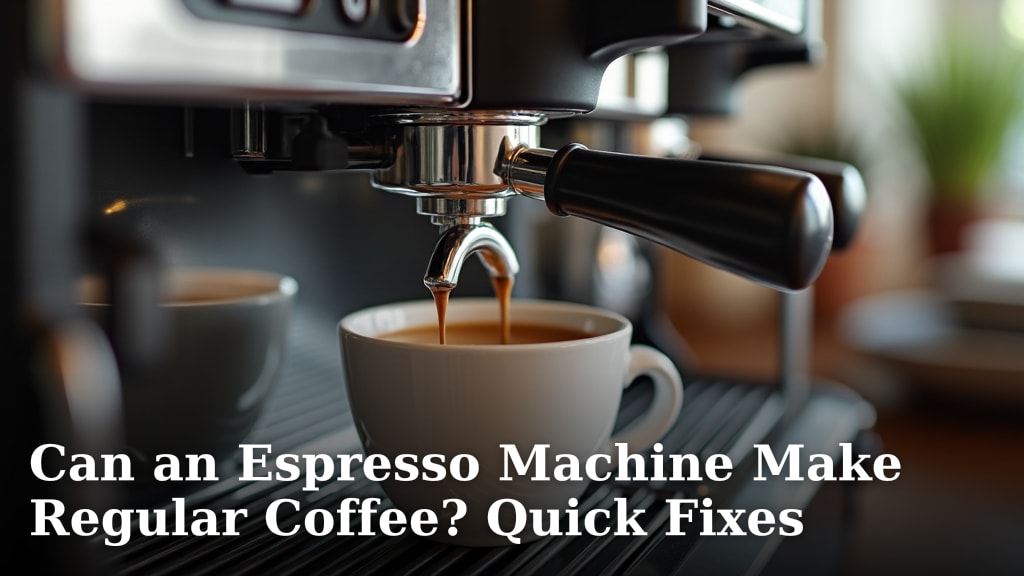
Can an espresso machine make regular coffee?
An espresso machine can make a longer drink, but a lungo is not the same as regular drip coffee. Its water still passes through finely ground coffee under espresso-style brewing conditions.
If you want a larger, less concentrated cup, you can make an Americano by adding hot water to espresso. That changes the drink's size without extending extraction through the grounds.
For machine-specific ideas, see Can an Espresso Machine Make Regular Coffee? Quick Fixes.
If you're learning a new Breville machine, our guides show how to use a Breville Barista Express Impress and how to use a Breville Barista Pro.
Which espresso style should you brew?
Pick ristretto for a small, concentrated cup, espresso for a standard starting point, and lungo for a longer extraction. Try all 3 with the same coffee dose to find the shot length you enjoy.
If you want more control, use whole beans and adjust the yield in small steps. For a convenient capsule option, choose a pod that matches your machine and the serving size you want.
Coffee choice matters too. See whether Starbucks Espresso Roast works for cold brew if you're considering those beans for a different brewing method.
Frequently asked questions
What is the difference between ristretto, espresso, and lungo?
Ristretto uses less water for a shorter, concentrated shot; espresso is the standard-sized pull; lungo uses more water and runs longer. These names describe relative shot volume and brewing approach, but exact volumes vary by recipe and machine.
Is a lungo just a long espresso?
A lungo is often described as a long espresso because more water passes through the coffee than in a standard shot. That longer extraction can bring out a different balance of flavors, so it may taste less concentrated and more bitter than a short pull.
Does ristretto have more caffeine than espresso?
A ristretto's smaller serving usually contains less total caffeine than a full espresso made with the same dose, though concentration can be higher per ounce. Bean type, dose, and extraction all affect caffeine, so shot volume alone can't give an exact comparison.
Can I make ristretto and lungo with the same coffee?
Yes. You can use the same beans or grounds and change the amount of water and stopping point.
Keep the dose and grind steady while comparing shots, then adjust one variable at a time so you can tell what changed the flavor.
Which espresso style is best with milk?
Any can work with milk, though a ristretto's concentrated flavor may remain noticeable in a small milk drink. A standard espresso is a flexible starting point, while a lungo adds more liquid and may taste less intense after milk is added.