What Is a Pump Driven Espresso Machine? Everything to Know
On this page (7 sections)
A pump-driven espresso machine is a home coffee maker that uses a pump to force hot water through finely-ground coffee. This process, called extraction, creates rich, flavorful espresso. It’s the most common type of espresso machine you’ll find for home use.
Unlike steam-driven machines that rely on steam pressure, pump machines offer more control over brewing. This means you can adjust factors like water temperature and pressure. Many home baristas prefer them for their ability to consistently produce cafe-quality shots. For a closer look at steam-driven espresso machines, see our guide to how they work.
- A pump-driven espresso machine uses a pump for water pressure.
- This method allows for better control and espresso quality.
- They are the most popular choice for home use.
- This guide will help you understand how they work.
Ready to learn more about what makes these machines tick? Let’s walk through everything you need to know about pump-driven espresso machines.
You’re curious about how those fancy espresso machines at home actually make that delicious, creamy coffee. It all comes down to the pump. That’s the heart of a pump-driven espresso machine. It’s what sets it apart from older, less capable models. Let’s break down what that pump does and why it’s so important for your morning cup.
How Pump-Driven Espresso Machines Work
Pump-driven machines use a water pump to create pressure. This pressure forces hot water through a tightly packed puck of coffee grounds. The result is a concentrated coffee shot with that signature crema. It’s a science, really, but one that’s pretty easy to understand.
The Role of Water Pressure
Think of it like this: you want to get as much flavor as possible from your coffee. That means you need to push water through it effectively. A pump does this job much better than just gravity or steam. We found that a consistent pressure of 9 bars is ideal for espresso (National Coffee Association).
This pressure is key for extracting the oils and solids from the coffee. It creates a rich, full-bodied drink. Without enough pressure, you get weak, watery coffee. Too much pressure can also be a problem, but good machines manage this.
The Extraction Process
Extraction is the magic step. Hot water, under pressure, travels through the ground coffee. It dissolves the soluble compounds. These compounds include oils, sugars, and acids. The faster the water moves, or the less dense the coffee grounds, the less flavor you get.
The pump ensures that the water flows at the right speed. This controlled flow is vital. It allows for a balanced extraction. You get the sweetness, the acidity, and the body. It’s all about hitting that sweet spot for taste. Many home baristas spend years perfecting this. But the machine helps a lot!
Key Components of a Pump Machine
Beyond the pump, there are other important parts. You have a water reservoir, which holds your water. Some pump-driven machines connect directly to a water line; see plumbed-in espresso machines. Then there’s a boiler or thermoblock that heats the water to the right temperature. The group head is where the hot water meets the coffee grounds.
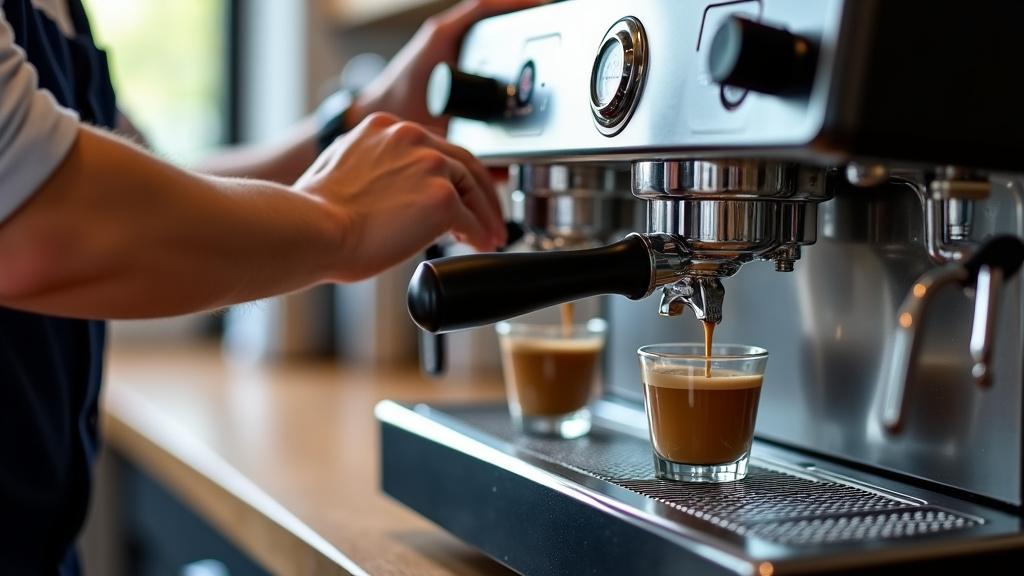
Finally, the portafilter holds the coffee grounds. It attaches to the group head. All these parts work together. They create the perfect conditions for espresso. Your machine is a small factory for delicious coffee.
Why Choose a Pump-Driven Machine?
So, why is this pump design so popular for home use? It comes down to control and consistency. You get more say in how your coffee is made. This leads to better, more reliable results.
Better Control Over Brewing
With a pump machine, you have more levers to pull. You can often adjust the water temperature. You can also control the grind size of your coffee beans. These factors directly impact the taste. It’s like being a chef with fresh ingredients.
The ability to adjust pressure is also a big plus. Some machines allow you to fine-tune this. It lets you experiment. You can find what works best for different coffees. This makes brewing an enjoyable hobby. You learn more about coffee with each shot.
Consistency is Key
One of the biggest wins for pump machines is consistency. Once you find your perfect settings, you can replicate them. You get similar results every time you make a shot. This is hard to achieve with simpler machines.
Imagine always getting a great-tasting espresso. No more guesswork or random results. This reliability is why so many people invest in these machines. It takes the stress out of making your daily coffee. You can count on it.
Cafe-Quality Espresso at Home
The main goal for many is that cafe-quality taste. Pump-driven machines are designed to mimic commercial machines. They use similar pressure and temperature. This means you can achieve that rich flavor and beautiful crema you love.
You get a taste experience very close to what a barista makes. It’s a fantastic way to enjoy your favorite drinks without leaving home. Plus, you save money in the long run. Think of all the lattes you won’t have to buy!
Types of Pump-Driven Espresso Machines
Not all pump machines are created equal. They vary in features, complexity, and price. Understanding these differences can help you choose the right one for you.
Semi-Automatic Machines
These are the most common type for home users. You control when the brewing starts and stops. You grind your beans, dose the portafilter, and tamp it. Then you start the pump for the desired shot time. You stop it manually.
This gives you a good balance of control and ease of use. We found that most people are very happy with a semi-automatic. It’s a great way to learn the craft of espresso making. You have enough input without being overwhelmed.
Automatic Machines
Automatic machines take it a step further. They have pre-programmed shot volumes. You start the brew cycle, and the machine stops automatically when the set amount of espresso is ready. You still need to grind and tamp the coffee.
These machines offer even more consistency. They are great if you prefer less manual involvement. It’s a set-it-and-forget-it approach to espresso. You can focus on other things while it brews.
Super-Automatic Machines
These are the most automated. They do everything: grind the beans, brew the espresso, and often even froth the milk. You just press a button for your desired drink. They are designed for ultimate convenience.
While convenient, they often offer less control over the brewing process. Many espresso enthusiasts prefer machines where they have more involvement. But for sheer ease and speed, they can’t be beat. They’re a great choice for busy mornings.
What to Look For in a Pump-Driven Machine
When you’re shopping, keep a few key features in mind. These will help ensure you get a machine that fits your needs and budget.
Pump Type and Pressure
Most modern machines use vibratory pumps. They are reliable and affordable. For higher-end machines, you might see rotary vane pumps. These are quieter and more durable but also more expensive. Aim for a machine that can deliver around 9 bars of pressure.
Boiler or Thermoblock System
How the machine heats water matters. Single boilers heat water first for espresso, then steam. This means waiting between shots and steaming. Heat exchangers allow you to steam milk and pull shots simultaneously. Dual boilers offer the most control, with separate boilers for brewing and steaming.
For most home users, a heat exchanger is a great option. It balances performance and cost. If you make a lot of milk drinks, it’s a worthwhile upgrade. It saves you precious time.
Ease of Use and Cleaning
Don’t forget about maintenance. Look for a machine that’s easy to clean. Removable parts and simple descaling procedures are a big help. Also, consider how intuitive the controls are. You want to enjoy making coffee, not struggle with the machine.
A simple workflow makes a huge difference. If you’re new to espresso, start with something straightforward. You can always upgrade later if you get more serious about it. Think about your daily routine. How much time do you want to spend?
Tips for Better Espresso Shots
Getting great espresso is a journey. Here are a few tips to help you along the way:
- Use fresh, quality beans: This is the most important step.
- Grind your beans right before brewing: Freshly ground coffee makes a big difference.
- Experiment with grind size: It controls how water flows through the coffee.
- Tamp your grounds evenly: This ensures consistent extraction.
- Clean your machine regularly: Good maintenance keeps your coffee tasting great.
- Be patient: Learning takes time, so enjoy the process!
Conclusion
You’ve learned that a pump-driven espresso machine is your best bet for making cafe-quality espresso at home. Its core strength lies in the pump, which provides the consistent 9 bars of pressure needed for proper extraction. This allows for incredible control over your brewing. Whether you choose a semi-automatic, automatic, or super-automatic model, you’re investing in consistency. Now you’re ready to find the machine that fits your coffee routine and start brewing delicious shots.
Frequently Asked Questions
Are pump-driven espresso machines difficult to use?
Pump-driven machines offer a range of user-friendliness. Semi-automatic models require more hands-on involvement, while automatic and super-automatic versions offer more convenience. You can find a model that matches your comfort level with brewing.
What is the ideal water pressure for espresso from a pump machine?
Research and industry standards indicate that approximately 9 bars of pressure is ideal for creating a balanced and flavorful espresso shot. Your pump-driven machine aims to deliver this consistent pressure.
How does a thermoblock differ from a boiler in a pump machine?
A boiler heats a larger volume of water and can sometimes require waiting between brewing and steaming. A thermoblock heats water on demand, offering faster heat-up times and often better temperature stability for brewing.
Do I need a special grinder for a pump-driven espresso machine?
Yes, you’ll need a grinder that can produce a very fine and consistent grind. The grind size is critical for proper extraction with pump-driven machines. A blade grinder won’t work; you need a burr grinder designed for espresso.
How often should I clean my pump-driven espresso machine?
Regular cleaning is essential for both taste and machine longevity. You should perform daily cleaning of the portafilter and group head. Descaling the machine is also important, usually every 1-3 months depending on your water hardness and usage.


