
Why Does an Espresso Machine Need a Drip Tray? A Helpful Guide
Your espresso machine needs a drip tray primarily to catch stray drips and spills. This keeps your countertop clean and prevents water from damaging your machine. It’s a simple but essential part of your espresso setup.
Think of it as a little insurance policy for your coffee maker. Without it, minor leaks could turn into a messy puddle. This could lead to electrical issues or a sticky, hard-to-clean surface around your appliance. It’s a design feature focused on practicality and maintenance.
- It catches spills and drips.
- It keeps your countertop clean.
- It protects your machine from water damage.
- It makes cleaning much easier.
Let’s walk through exactly why this small component makes such a big difference.
The Humble Drip Tray: Your Espresso Machine’s Unsung Hero
This small but mighty component plays a much bigger role than you might think. It’s your first line of defense against messy countertops. Plus, it helps keep your espresso machine in tip-top shape.
Why Your Espresso Machine Needs That Little Tray
You might look at the drip tray and think, “Is this really necessary?” The answer is a resounding yes. It’s designed to catch drips and spills. These happen more often than you’d imagine.
Catching the Little Leaks
Even the best espresso machines can have minor leaks. Water can escape from the brew head after brewing. Sometimes, a bit of coffee grounds might get loose. The drip tray is right there to catch them.
Think about when you remove your portafilter. A few drops of water are almost always present. Without a drip tray, these drops would land directly on your counter. That’s where the mess starts.
Keeping Your Countertops Clean and Dry
Nobody wants coffee rings or water spots on their kitchen surfaces. The drip tray acts as a containment unit. It stops those stray drips from spreading. This means less wiping for you.
It’s especially helpful if you’re making multiple shots. The drips can add up quickly. The tray ensures your workspace stays tidy and presentable. It’s a simple feature that makes a big difference in daily use.
Protecting Your Machine and Your Home
Water and electronics don’t mix well. Allowing water to pool around the base of your espresso machine can lead to problems. It can corrode metal parts. It might even short out electrical components.
Many machine bases have vents or openings. If water seeps in, it can cause serious internal damage. The drip tray prevents this by collecting the water. It keeps moisture away from sensitive parts. This helps maintain the longevity of your appliance.
Making Cleanup a Breeze
Cleaning is part of owning any kitchen appliance. The drip tray makes cleaning your espresso machine much simpler. Instead of wiping down your entire counter, you just remove the tray.
Most drip trays are designed for easy removal. You can often just lift them straight out. Then, you can rinse them under the tap. Some are even dishwasher safe, which is a huge time-saver. This makes maintaining your machine’s hygiene straightforward.
The Mechanics of the Drip Tray
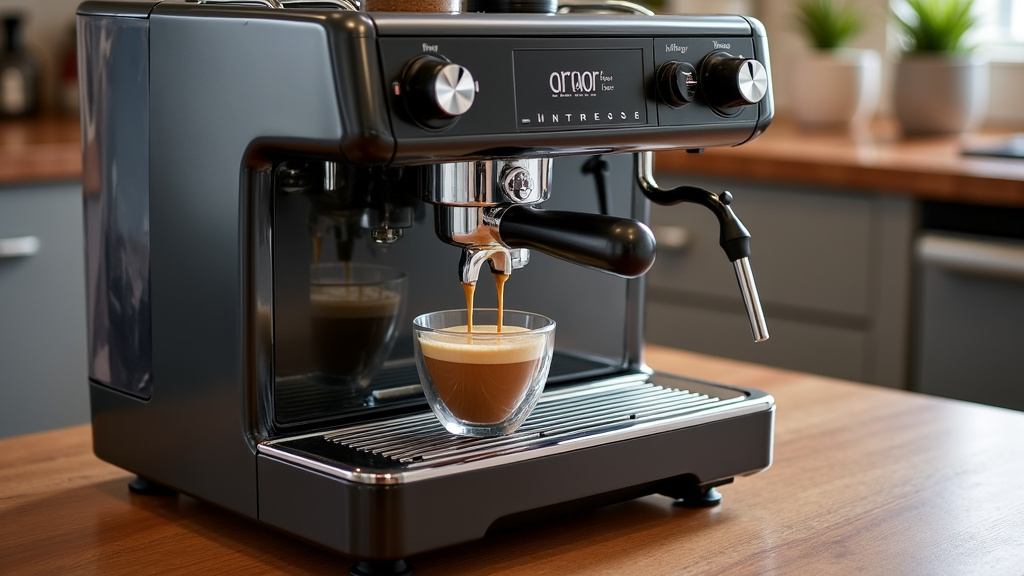
Let’s look at how these trays actually work. They are usually made of plastic or stainless steel. This makes them durable and easy to clean. They sit directly beneath the group head and the portafilter.
The tray often has a removable grate on top. This grate allows liquid to pass through into the main tray. It also provides a stable place to rest your cups. Some grates are adjustable or removable.
Common Drip Tray Features
You’ll find a few common features across different models.
- Removable Grate: This is the top part you see. It catches grounds and supports your cup.
- Water Reservoir: The main body of the tray that holds the collected liquid.
- Float Indicator: Many trays have a small red or colored indicator. This floats up as the water level rises. It’s a handy visual cue that the tray needs emptying.
When Drip Trays Might Be Less Obvious
Some espresso machines have a more integrated design. You might not see a traditional, separate drip tray. Instead, the tray might be built into the base.
For example, capsule machines often have a retractable tray. You can push it in when not in use. Or, it might be a shallow recess in the base. Even in these designs, the function is the same: to catch spills and make cleaning easier.
What Happens if You Remove the Drip Tray?
It’s tempting to remove the drip tray sometimes. Maybe you want to fit a taller mug. Or perhaps you just don’t think you need it.
However, removing it can lead to a messy situation. As mentioned, water will drip onto your counter. This can cause stains or damage over time. It also increases the risk of water getting into the machine’s internal workings. It’s generally best to keep it in place.
Potential Downsides of No Drip Tray
- Increased counter cleaning
- Risk of water damage to your machine
- Potential for electrical hazards
- More effort to keep your machine area tidy
Caring for Your Drip Tray
Taking care of your drip tray is simple. But it’s important for hygiene and machine health.
Empty it regularly. Don’t let the water level get too high. This prevents spills and odors. Rinse it out after each use, or at least daily. This stops coffee oils from building up. A good cleaning once a week is also recommended.
A Simple Drip Tray Checklist
Follow these steps for a clean drip tray:
- Check the water level daily.
- Empty the tray when the float indicator rises.
- Remove the grate and rinse both parts regularly.
- Use a soft cloth to wipe down the tray.
- Ensure the tray is completely dry before reinserting.
- Deep clean the tray weekly with mild soap and water.
The Drip Tray: A Small Part with Big Benefits
So, while it might seem like a minor detail, the drip tray is essential. It protects your surfaces. It safeguards your machine. And it simplifies your cleaning routine.
It’s a perfect example of good design. A simple solution to a common problem. It ensures your espresso-making experience is as clean and enjoyable as possible. It’s a small part that makes a big impact on your daily coffee ritual.
Conclusion
Your espresso machine’s drip tray is more than just a place for drips. It’s a vital component that keeps your counters clean. It also protects your appliance from water damage and electrical issues. Plus, it makes cleaning up after brewing much easier and faster. Think of it as a simple but smart design choice. It ensures your daily coffee ritual remains tidy and your machine stays in good condition. Next time you make a shot, take a moment to appreciate this small but mighty part of your setup and remember to empty and clean it regularly for the best results.
Frequently Asked Questions
What happens if I lose my espresso machine’s drip tray?
If you lose your drip tray, you’ll likely notice water and coffee grounds accumulating on your countertop. This can lead to messy spills and potentially damage your machine’s base over time. You should look to replace it with a compatible part as soon as possible.
Can I use my espresso machine without a drip tray if I’m careful?
While you might get away with it for a short period, it’s not recommended. Even careful users experience small drips when removing the portafilter. These drips can still damage your counter or seep into the machine’s base.
How often should I clean my espresso machine’s drip tray?
It’s best to empty your drip tray daily, especially if you use your machine frequently. A quick rinse after each use or at least once a day will prevent odors and coffee oil buildup. A deeper clean weekly is also a good idea.
Why does my drip tray have a red float indicator?
That red float indicator is a handy visual cue. It rises with the water level in the tray, letting you know when it’s getting full. This helps you avoid overflowing the tray and making a bigger mess.
Are there espresso machines that don’t have a visible drip tray?
Yes, some modern espresso machines have integrated drip trays. They might be built into the base or designed as a retractable part. Even if you don’t see a separate tray, the machine still has a system to catch spills.