Do You Need a Separate Grinder for Espresso? A Quick Guide
On this page (5 sections)
Yes, for the best espresso results, you generally need a separate grinder. While some all-in-one machines have built-in grinders, a dedicated espresso grinder offers finer control over grind size. This is key for achieving the proper extraction and rich flavor your espresso shots need.
Why does this matter so much? Espresso requires a very fine and consistent grind. If your grinder can’t handle this, your coffee can taste weak or bitter. A good grinder is often considered the most important piece of gear for making great espresso at home.
- Espresso needs a fine, consistent grind.
- A dedicated grinder offers better control.
- This control impacts taste and extraction.
- Many experts recommend a separate grinder.
Let’s break down why a dedicated grinder makes such a difference for your home espresso setup.
Why a Dedicated Espresso Grinder Matters
When you’re aiming for that perfect shot of espresso, the grinder you use plays a starring role. While some espresso machines come with built-in grinders, most coffee lovers agree: a separate grinder is a game-changer. It gives you the control needed for truly exceptional espresso.
Understanding Espresso Grind Size
Espresso is a bit of a diva when it comes to grind size. It needs to be very fine and consistent. Think of powdered sugar, but not quite that fine. This precise size helps the hot water pass through the coffee grounds at just the right speed. This process is called extraction.
What Happens with the Wrong Grind Size?
If your grind is too coarse, the water will rush through too fast. This results in a weak, sour shot. It’s like trying to drink coffee through a sieve. On the flip side, if the grind is too fine, the water can’t get through properly. This leads to a bitter, over-extracted shot. Your espresso can taste burnt.
The Limitations of Built-in Grinders
Many all-in-one espresso machines have grinders that are designed to do a little bit of everything. They might be okay for coarser grinds used in drip coffee makers. For the finished drink, see whether espresso machines can make regular coffee. However, they often lack the fine-tuning needed for espresso. This is where a dedicated grinder shines.
Why Dedicated Grinders Excel at Finesse
Dedicated espresso grinders are built with precision in mind. They offer a much wider range of grind settings. You can make tiny adjustments to find that sweet spot for your specific beans and machine. This level of control is essential for dialing in your espresso. It means your shots will taste consistently delicious.
Key Features of a Good Espresso Grinder
So, what makes a grinder ideal for espresso? It’s not just about being able to grind coffee. It’s about the quality and consistency of that grind, especially at the fine settings. We found that certain features are almost non-negotiable for espresso enthusiasts.
Burr Grinders vs. Blade Grinders
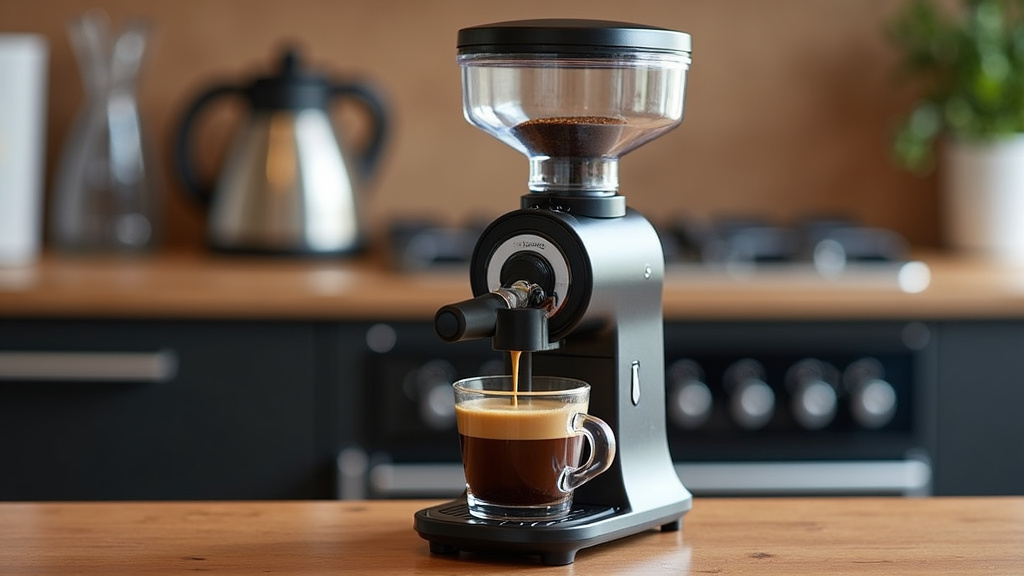
This is the first big distinction. Blade grinders chop beans unevenly, creating dust and boulders. Burr grinders, on the other hand, crush beans between two abrasive surfaces. This produces a much more uniform particle size.
Why Burrs are Better for Espresso
For espresso, consistency is king. Burr grinders are the only way to go. There are two main types of burrs: conical and flat. Both can produce excellent results. The key is that they crush, not chop. This uniformity is vital for even extraction. Many coffee experts state that a burr grinder is the most important tool for home espresso (Specialty Coffee Association).
Adjustability and Stepped vs. Stepless Settings
A good espresso grinder needs a wide range of adjustment. You’ll likely be making small changes to your grind size frequently. This is called “dialing in” your espresso. Grinders can have stepped or stepless adjustment mechanisms.
Understanding Stepped Adjustments
Stepped grinders have distinct “clicks” as you adjust the grind size. This makes it easy to remember specific settings. For espresso, you want a grinder with plenty of small steps. Some grinders have hundreds of micro-adjustments within their range. This allows for very precise control.
Understanding Stepless Adjustments
Stepless grinders allow for infinite adjustment between settings. There are no clicks. You can turn the dial anywhere you want. This offers the ultimate in precision. However, it can be harder to replicate exact settings. Many serious home baristas prefer stepless for its fine-tuning capabilities.
Grind Retention and Ease of Cleaning
When you grind coffee, some grounds can stick inside the grinder. This is called grind retention. For espresso, you want a grinder with low grind retention. This ensures that when you grind fresh beans, you’re getting fresh grounds. Old grounds can affect the flavor of your shot.
Keeping Your Grinder in Top Shape
Grinders also need regular cleaning. Coffee oils can build up over time. This can make your coffee taste stale. Look for grinders that are easy to disassemble for cleaning. Many quality grinders come apart easily without special tools. This makes maintenance a breeze.
When a Built-in Grinder Might Be Okay
Are there times when a machine with a built-in grinder is sufficient? For some users, yes. If your primary goal is convenience and you’re not chasing the absolute pinnacle of espresso perfection, a combined unit might work. However, you’ll likely be compromising on the quality and consistency of your espresso.
The Convenience Factor
There’s no denying the appeal of an all-in-one machine. You press a button, and out comes espresso. It takes up less counter space. It can be simpler to operate, especially for beginners. If your budget is tight and you want to start making espresso at home, a super-automatic machine with a grinder is an option.
What You Might Sacrifice
What you often give up is control. The built-in grinders on these machines are rarely as capable as a dedicated unit. You might find yourself unable to achieve the fine adjustments needed for the best flavor. Many users of these machines eventually upgrade their grinder. They find it’s the easiest way to improve their espresso.
Making the Right Choice for Your Home Espresso
Deciding whether you need a separate grinder boils down to your goals. If you dream of café-quality espresso at home, then yes, you almost certainly need one. It’s an investment in better taste. It’s also an investment in the joy of home coffee brewing.
A Checklist for Your Grinder Decision
To help you decide, consider these points:
- Do you want the best possible espresso flavor?
- Are you willing to learn about grind settings?
- Does your current grinder struggle with fine grinds?
- Is consistency in your shots a priority?
- What is your budget for coffee equipment?
If you answered yes to the first four questions, a dedicated espresso grinder is likely in your future. Many coffee enthusiasts consider it the single most important purchase after the espresso machine itself.
Conclusion
As you’ve seen, making truly excellent espresso at home often hinges on the quality of your grinder. While machines with built-in grinders offer convenience, a dedicated espresso grinder