9 Best Espresso Machines with PID Temperature Control (November 2026)
The best espresso machines with PID temperature control include the BES870XL Barista Express Espresso Machine for an integrated grinder, the 3700 Essential Stainless Steel Espresso Machine with for a compact counter, and the Breville BES870BTR Barista Express Espresso Machine for a dark finish.
On this page (7 sections)
- How we chose the best PID espresso machines
- Which PID espresso machine fits your setup?
- What does PID temperature control change?
- Should you choose PID with a built-in grinder?
- Is adjustable temperature better than fixed PID?
- Does a 20-bar pump mean better temperature control?
- Which PID espresso machine should you choose?
The best PID espresso machine for most home brewers is the BES870XL Barista Express, which combines digital temperature regulation with an integrated grinder. If you want to set brew temperature directly, consider the CASABREWS Ultra or the AMZCHEF machine with 44 grind settings.
PID in an espresso machine means an electronic control system regulates temperature during brewing. A steadier brewing temperature can support repeatable shots, but grind size, coffee dose and tamping still matter.
Use this roundup to compare machines with stated PID features alongside options that offer electronic temperature settings without a clearly specified PID system. For broader criteria, see what to look for in an espresso machine.
Our picks at a glance
-
1
 Best for an integrated grinder
BES870XL Barista Express Espresso Machine
9.7/10 our score
See it on Amazon -
2
 Best for a compact counter
3700 Essential Stainless Steel Espresso Machine with
9.3/10 our score
See it on Amazon -
3
 Best for a dark finish
Breville BES870BTR Barista Express Espresso Machine
9.3/10 our score
See it on Amazon
- 4
 Check it
RI9380/46 E24 Espresso Machine
Best for a 58 mm portafilter - 5
 Check it
AMZCHEF Compact Espresso Machine 20 Bar
Best for a simple PID setup - 6
 Check it
CASABREWS Ultra Espresso Machine
Best for adjustable brew temperature - 7
 Best for grind and temperature choicesCheck it
- 8
 Best for a small kitchenCheck it
- 9
 Check it
Gemilai G3028A Espresso Machine
Best for separate brew and steam control
How we chose the best PID espresso machines
We compared the stated temperature controls, grinder setup, brewing features and day-to-day operation for each machine. Our score weighs specs, features and buyer feedback against what you're shopping for.
PID evidence varies across this group. Some models name PID directly, while the Gaggia E24 lists a 9-bar extraction and commercial components without specifying PID; the CASABREWS Ultra describes four temperature settings.
If you prefer machines from a particular tradition, our guide to the best Italian espresso machine offers another way to narrow your search. For a portafilter-led comparison, see best espresso machines with bottomless portafilters.
| Product | Best for | Temperature control | Grinder | Water tank | Our score |
|---|---|---|---|---|---|
| BES870XL Barista Express Espresso Machine | an integrated grinder | Digital PID regulation | Integrated conical burr | 67 oz | 9.7 |
| 3700 Essential Stainless Steel Espresso Machine with | a compact counter | PID technology | Not built in | 43.9 oz | 9.3 |
| Breville BES870BTR Barista Express Espresso Machine | a dark finish | Digital PID regulation | Integrated conical burr | 67 oz | 9.3 |
| RI9380/46 E24 Espresso Machine | a 58 mm portafilter | PID not specified | 9.1 | ||
| AMZCHEF Compact Espresso Machine 20 Bar | a simple PID setup | PID, stated accuracy ±2°C | Not built in | Removable; capacity varies by source | 9.0 |
| CASABREWS Ultra Espresso Machine | adjustable brew temperature | Four brew settings, 90–96°C | Not built in | 73 oz | 8.7 |
| Espresso Machine With Grinder | grind and temperature choices | Adjustable, 190°F–201°F | 44 settings | 60 oz | 8.5 |
| XIXUBX Espresso Machine | a small kitchen | PID controller | Not built in | 34 oz | 8.3 |
| Gemilai G3028A Espresso Machine | separate brew and steam control | Dual PID for brew and steam | Not built in | 57 oz | 8.0 |
Which PID espresso machine fits your setup?
The Barista Express models suit buyers who want a grinder built into the machine, while the other PID picks focus on temperature controls, compact size or automatic milk options. For a lower budget, compare espresso machines under 200 dollars.
Match the controls to the parts of brewing you want to handle yourself.
BES870XL Barista Express Espresso Machine: Best for an integrated grinder
- Digital temperature regulation (PID)
- Integrated conical burr grinder
- Low-pressure pre-infusion
- Manual steam wand
Digital temperature regulation pairs with an integrated grinder that doses beans into the portafilter. It suits buyers who want grinding and espresso preparation in one machine.
Pros
- PID temperature regulation
- Integrated grinder with grind-size dial
- Manual microfoam steam wand
Cons
- Requires manual grinding, dosing and milk texturing
The BES870XL Barista Express is the strongest fit if you want one machine to grind beans and brew espresso. See espresso machines under 500 dollars to compare other options in that price range.
Its integrated conical burr grinder sends a dose into the portafilter, and the grind-size dial lets you adjust for different beans.
Digital temperature regulation (PID) supports precise espresso extraction, while low-pressure pre-infusion gradually increases pressure at the start of brewing.
The 67 oz water tank and half-pound bean hopper reduce the need for frequent refills in a regular home routine. Its accessory set includes a 54 mm portafilter, filter baskets, tamper, milk jug and cleaning tools.
Choose it if you want a grinder, PID temperature regulation and manual control in one appliance. If brand is a deciding factor, compare it with our best Gaggia espresso machine guide and best Lelit espresso machines.
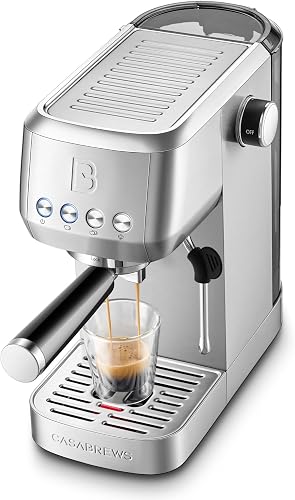
3700 Essential Stainless Steel Espresso Machine with: Best for a compact counter
- PID temperature technology
- 20-bar pump
- Steam wand
- 43.9 oz removable tank
This compact CASABREWS machine is described with PID temperature technology and a removable tank. It uses ground coffee, so plan on a separate grinder or pre-ground espresso.
Pros
- PID temperature technology
- Compact 6.5 in width
- Removable water tank
Cons
- No built-in grinder
The CASABREWS 3700 Essential is a compact option for a counter where width is limited. It measures 6.5 in wide and has a removable 43.9 oz tank.
Its machine description identifies PID technology for brewing temperature, as well as low-pressure pre-infusion. It uses ground coffee and does not include a grinder, so factor in a separate grinder if you want freshly ground beans.
The steam wand supports milk frothing, and the machine includes one-cup and two-cup filters. That gives you a simple semi-automatic workflow with a small footprint.
Choose it if counter width and PID temperature technology matter more than having an integrated grinder. For a plumbed setup, read what a plumbed-in espresso machine is before choosing where to put your machine.
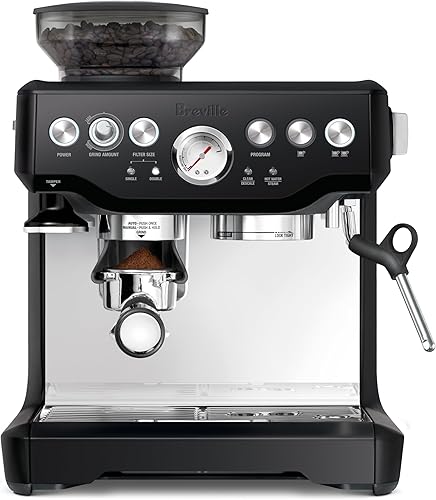
Breville BES870BTR Barista Express Espresso Machine: Best for a dark finish
- Digital temperature regulation (PID)
- Integrated conical burr grinder
- Low-pressure pre-infusion
- Manual steam wand
This Black Truffle Barista Express combines PID temperature regulation with an integrated grinder and manual milk steaming. Its stated features closely match the stainless steel version.
Pros
- PID temperature regulation
- Integrated grinder
- Manual microfoam steam wand
Cons
- Requires manual preparation and milk texturing
The Breville BES870BTR Barista Express pairs PID temperature regulation with an integrated conical burr grinder, like the stainless steel model above. Its Black Truffle finish gives you a different color choice while keeping the same listed dimensions and 67 oz tank capacity.
The grinder doses beans into the portafilter, and low-pressure pre-infusion gradually raises pressure at the start of extraction. A manual steam wand supports milk texturing for drinks such as lattes and cappuccinos.
This model makes sense if you want the Barista Express workflow and prefer its dark finish. The listing of features closely mirrors the BES870XL, so choose between them based on finish and availability.
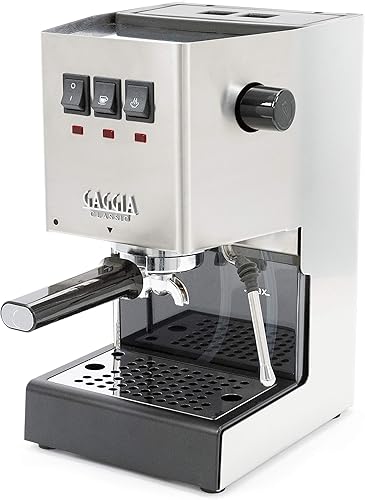
RI9380/46 E24 Espresso Machine: Best for a 58 mm portafilter
- 58 mm commercial portafilter
- Commercial steam wand
- 9-bar extraction
The Gaggia E24 offers a commercial-style 58 mm portafilter and steam wand, but PID control isn't specified among its features. Choose it for its portafilter setup, not as a confirmed PID machine.
Pros
- 58 mm commercial portafilter
- Commercial steam wand
- 9-bar extraction
Cons
- PID temperature control not specified
The Gaggia RI9380/46 E24 is a strong fit for buyers who value a 58 mm commercial-style portafilter and a commercial steam wand. For more professional setups, compare professional espresso machines.
Its stated features include 9-bar extraction and a three-way solenoid valve.
PID temperature control isn't specified among the features for this model. That makes it a useful comparison for shoppers weighing portafilter size and traditional manual operation, but it isn't a confirmed PID pick.
The machine accepts ground coffee or pods and has a 2.1 L capacity. Its steel housing and made-in-Italy construction are also stated features.
Choose it for the portafilter and steam setup if PID isn't a must-have. If temperature control is your main requirement, favor one of the machines above that explicitly identifies PID.
AMZCHEF Compact Espresso Machine 20 Bar: Best for a simple PID setup
- PID temperature control
- 1350 W heating system
- Single or double extraction
- Steam wand
PID control with stated accuracy of ±2°C and button controls make this a straightforward option. The machine uses ground coffee and has no built-in grinder.
Pros
- PID temperature control
- Single or double cup buttons
- Steam wand
Cons
- No built-in grinder
- Tank capacity descriptions differ
The AMZCHEF Compact Espresso Machine names PID temperature control and gives a stated accuracy of ±2°C. It also offers single or double cup extraction and lets you customize extraction time.
The machine uses ground coffee and has no built-in grinder. Its removable tank capacity is described differently across its materials, so confirm the tank size before buying if refill frequency is important to you.
A steam wand supports milk drinks, and the compact body is designed for kitchens, offices and coffee corners. The button controls keep the basic brewing choices easy to access.
Choose it if you want explicit PID wording and simple extraction controls. It suits a buyer who already has a grinder or is comfortable using pre-ground espresso.
CASABREWS Ultra Espresso Machine: Best for adjustable brew temperature
- Four brew-temperature settings
- LCD display
- 73 oz removable tank
- 58 mm portafilter
The Ultra provides four adjustable brew-temperature settings and an LCD interface. Temperature adjustment applies to espresso brewing, and the machine uses ground coffee.
Pros
- Four brew-temperature settings
- LCD display
- Large removable tank
Cons
- No built-in grinder
The CASABREWS Ultra offers four temperature settings for espresso brewing, from 90°C to 96°C. Its LCD display and buttons provide controls for espresso, steam and hot water.
The temperature adjustment applies to espresso brewing, so it doesn't give separate user control over steam temperature. This distinction matters if you want to tune brew water for different beans while keeping milk steaming as a separate task.
It uses ground coffee, has a 73 oz removable tank and includes a 58 mm portafilter. The steam wand is intended for microfoam, and the machine also includes pre-infusion.
Choose it if adjustable brew temperature is more important to you than a built-in grinder. The temperature settings are stated, but PID is not explicitly named for this model.
Espresso Machine With Grinder: Best for grind and temperature choices
- 44 grind settings
- Temperature range 190°F–201°F
- Touchscreen display
- Cold brew mode
This AMZCHEF machine pairs a built-in grinder with adjustable brew temperature and a touchscreen. Its 44 grind settings offer control over grind size for different brew methods.
Pros
- 44 grind settings
- Adjustable temperature
- Touchscreen shows grind time, brew time and temperature
Cons
- Temperature range uses Fahrenheit, unlike several other picks
The AMZCHEF Espresso Machine With Grinder combines temperature adjustment from 190°F to 201°F with 44 grind settings. A touchscreen displays grind time, brew time and temperature, bringing several choices into one interface.
The machine also has a cold brew mode and a steam wand for milk foam. Its temperature control is described as adjustable, but PID is not specifically named in the product features.
Choose it if you want to change grind size and brewing temperature without a separate grinder. Check the tank and bean capacity details before deciding how often you'll need to refill it.
XIXUBX Espresso Machine: Best for a small kitchen
- PID temperature stabilization
- Gentle pre-infusion
- Compact 6.7 in width
- 34 oz removable tank
PID temperature stabilization and a narrow footprint make this a compact choice for ground-coffee users. Its single and double shot controls use different button presses.
Pros
- PID temperature stabilization
- Compact width
- Milk frothing pitcher included
Cons
- No built-in grinder
The XIXUBX Espresso Machine is a compact ground-coffee option with PID temperature stabilization and gentle pre-infusion. At 6.7 in wide, it can suit a narrow counter or work surface.
Its 34 oz removable tank and button-based single or double shot controls keep the setup simple. A milk frothing pitcher is included, and the steam wand supports milk drinks.
The machine does not have a built-in grinder, so pair it with a separate grinder or use ground espresso coffee. Its small footprint is useful where counter space matters more than batch size.
Choose it if you want named PID control in a compact machine and don't need an integrated grinder.
Gemilai G3028A Espresso Machine: Best for separate brew and steam control
- Dual PID temperature system
- 550 ml brew boiler
- Adjustable pressure
- Automatic milk frothing
Dual PID controls brew and steam temperatures independently, with additional pre-infusion and pressure settings. Its automatic frothing system handles milk with one touch.
Pros
- Independent brew and steam temperature control
- Adjustable pressure
- Automatic milk frothing
Cons
- No built-in grinder
The Gemilai G3028A stands out for its dual PID system, which independently controls brew and steam temperatures. It also has a 550 ml brew boiler, adjustable pressure and settings for pre-infusion.
The automatic frothing system uses a temperature sensor and one-touch operation. A touchscreen lets you adjust brewing and steam temperature, brew time and pre-infusion settings.
This is the most control-focused option in the roundup, though it uses ground coffee and does not include a grinder. Choose it if you want separate brew and steam temperature control plus automatic milk frothing.
What does PID temperature control change?
PID temperature control helps regulate brewing water temperature, which can support more consistent espresso extraction. It won't correct a grind that's too coarse or too fine, an uneven dose or poor tamping.
A basic machine may heat water with less precise control or give no way to adjust the target. A PID system can make temperature management steadier, while user controls vary by model: the Barista Express names digital PID regulation, and the CASABREWS Ultra offers four brew-temperature settings.
Decide whether you want stable temperature only or direct adjustment as well. Also check if the machine's settings apply to brewing, steaming or both.
Should you choose PID with a built-in grinder?
A built-in grinder suits buyers who want to grind and brew from one appliance. The Barista Express models and the AMZCHEF machine with 44 settings include grinders; the other machines here use ground coffee.
An integrated grinder saves counter space and reduces the number of separate appliances. A standalone grinder gives you more flexibility to replace or upgrade the grinding step without changing the espresso machine.
Think about the workflow you prefer. If you already own a grinder, paying for another one inside the machine may add little value.
Is adjustable temperature better than fixed PID?
Adjustable temperature is useful if you want to experiment with brew settings for different beans. A fixed or less user-adjustable PID system can still regulate temperature without requiring you to choose a new setting.
The CASABREWS Ultra provides four brew settings from 90°C to 96°C, while the AMZCHEF grinder model gives a Fahrenheit range of 190°F to 201°F. The Gemilai adds separate brew and steam temperature controls.
Check the adjustment range and which mode it affects. A temperature menu that only changes espresso brewing won't let you separately tune steam temperature.
Does a 20-bar pump mean better temperature control?
Pump pressure and temperature control describe different parts of espresso brewing. A 20-bar pump rating does not tell you whether a machine has PID or adjustable brew temperature.
Several machines in this roundup cite 20-bar pumps, but their temperature features differ. Compare PID details and control options on their own, then consider pressure and pre-infusion as separate features.
For consistent home brewing, also use a suitable grind and dose. The machine's pressure rating alone does not guarantee a particular shot result.
Which PID espresso machine should you choose?
Choose the BES870XL Barista Express if you want PID temperature regulation and an integrated grinder in one machine. Pick the CASABREWS Ultra if you want brew-temperature settings, or the Gemilai G3028A for separate brew and steam temperature control.
If counter space is tight, the CASABREWS 3700 Essential and XIXUBX offer compact widths and use ground coffee. For a broad machine comparison beyond temperature, start with our guide to what to look for in an espresso machine.
Our top 3 picks at a glance
-
1
Best for an integrated grinder
BES870XL Barista Express Espresso Machine
9.7/10 our score
See it on Amazon -
2
Best for a compact counter
3700 Essential Stainless Steel Espresso Machine with
9.3/10 our score
See it on Amazon -
3
Best for a dark finish
Breville BES870BTR Barista Express Espresso Machine
9.3/10 our score
See it on Amazon
Frequently asked questions
What is PID in an espresso machine?
PID stands for proportional-integral-derivative, a control method used to regulate temperature. In an espresso machine, it helps manage brewing water temperature, which can make shots more repeatable.
Features vary: some machines offer a fixed PID system, while others let you choose among temperature settings.
Does PID make a better espresso?
PID can help keep brewing temperature steadier, which supports more consistent extraction from shot to shot. It doesn't set grind size, dose or tamp, all of which also affect the result.
Look at the full workflow and temperature controls when comparing machines.
Do all espresso machines with temperature control have PID?
No. A machine may offer temperature settings without describing its control system as PID.
If PID specifically matters to you, check that the machine's features identify PID or digital temperature regulation.
The CASABREWS Ultra, for example, offers four brew-temperature settings.
Should I choose a machine with a built-in grinder?
Choose a built-in grinder if you want one appliance to grind beans and prepare espresso. The Barista Express models include conical burr grinders, while the CASABREWS and compact AMZCHEF picks here use ground coffee.
If you already own a grinder, a separate machine may suit your setup.
Can I adjust PID temperature for different beans?
Some machines let you choose brewing temperatures, while others use PID regulation without user-facing temperature adjustments. The CASABREWS Ultra has four brew settings, and the AMZCHEF grinder model offers a 190°F–201°F range.
Check whether adjustments apply to espresso brewing, steaming or both.