
Why Does Espresso Have Crema on Top? A Straightforward Guide
Espresso has crema on top because it’s a natural result of hot water under pressure meeting coffee grounds. This forces out oils and carbon dioxide gas, which then emulsify into a reddish-brown foam. Think of it as the coffee’s happy little bubble bath after a vigorous brew. The crema is a sign of a freshly brewed espresso.
That lovely layer of crema isn’t just for looks; it tells you a lot about your coffee. A good crema suggests your beans were fresh and the espresso machine was working just right. It adds a burst of flavor and aroma to your shot. Many coffee lovers believe a beautiful crema means a delicious espresso is coming your way.
- Crema forms from hot water and pressure forcing out coffee oils and CO2.
- It’s a sign of fresh coffee and proper brewing.
- Crema adds to the espresso’s flavor and aroma.
- It’s a natural part of a well-made espresso.
Let’s break down why that magical crema appears and what it means for your next espresso. We’ll keep it simple and straightforward!
What Exactly Is Espresso Crema?
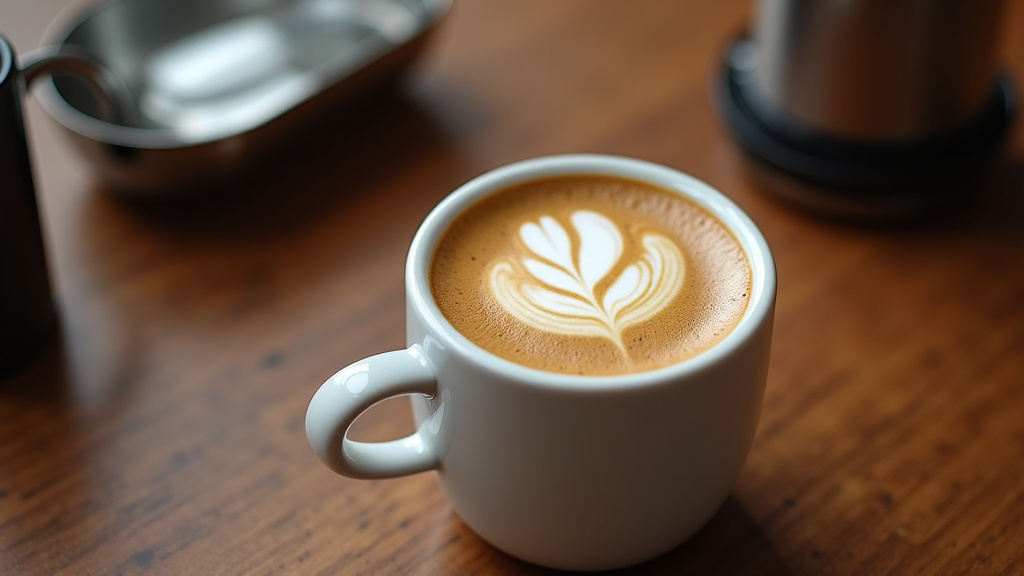
Crema is that beautiful, **foamy, reddish-brown layer** sitting on top of your espresso shot. It’s not just a pretty sight; it’s a key indicator of a well-pulled espresso. Think of it as the coffee’s signature, a little badge of honor from the brewing process. It looks a bit like a very fine, stable foam.
This foam is made up of tiny bubbles. These bubbles are formed when carbon dioxide gas, trapped inside the coffee beans, is released. Hot water under high pressure forces this gas and coffee oils out of the grounds. These components then mix together. They emulsify, creating the delicate crema you see.
The Science Behind Your Coffee’s Foam
So, how does this magical crema actually happen? It’s all about the physics and chemistry of brewing espresso. You’re essentially forcing hot water through finely-ground coffee beans at a very high pressure. This process is unlike any other coffee brewing method. It creates conditions perfect for crema formation.
Pressure is Key
Espresso machines work by creating intense pressure. We’re talking about 9 bars of pressure, which is about nine times the atmospheric pressure at sea level. This high pressure is essential. It’s what forces the water through the coffee grounds so quickly. This rapid extraction is what truly brings out the coffee’s volatile oils and gases.
Without this **intense pressure**, those oils and gases wouldn’t be released in the same way. The result would be a much flatter, less flavorful coffee. It’s this force that really gets the party started for crema production.
Hot Water: The Catalyst
The water temperature also plays a vital role. Espresso is brewed with water that is typically between 195°F and 205°F (90°C to 96°C). This heat helps to extract the soluble solids and oils from the coffee grounds. It also helps to release the trapped carbon dioxide.
When this hot water is forced through the grounds under pressure, it acts like a solvent. It dissolves flavor compounds and picks up those essential oils. These oils are what give espresso its rich body and mouthfeel. They also help stabilize the crema bubbles.
The Role of Carbon Dioxide (CO2)
Coffee beans naturally contain carbon dioxide gas. This gas gets trapped inside the beans during the roasting process. Freshly roasted beans will have more CO2 than older beans. This is why freshness is so important for good crema.
When the hot, pressurized water hits the coffee grounds, it causes this trapped CO2 to be rapidly released. This effervescence creates the initial bubbles. These bubbles then trap the coffee oils. They become the building blocks of your crema.
Why Freshness Matters So Much
We’ve all heard that espresso should be made with fresh beans. There’s a good reason for this! As coffee beans age, they lose their CO2. If the beans are too old, there simply isn’t enough gas to create a substantial crema. You might still get a shot of espresso, but it will likely be thin and pale.
We found that beans roasted within the last few weeks tend to produce the best crema. This is because they still retain a good amount of that essential carbon dioxide. It’s like the beans are still full of bubbly energy!
Coffee Oils: The Emulsifiers
Espresso is unique because it extracts a higher percentage of coffee oils compared to other brewing methods. These oils are naturally present in roasted coffee beans. They carry a lot of the coffee’s flavor and aroma.
When the hot water and pressure blast through the grounds, these oils are released. They then get whipped into the mix with the CO2 bubbles. These oils act like emulsifiers, helping to bind the water and air together. This creates a stable, persistent foam. The oils give the crema its characteristic color and contribute to its texture.
What the Color Tells You
The color of your crema can actually tell you a story about your espresso. A beautiful, vibrant reddish-brown crema is generally a good sign. This rich color comes from the oxidized oils and caramel compounds released during brewing.
If your crema is very pale and thin, it might mean the beans are old or the grind is too coarse. On the other hand, a very dark, almost chocolate-brown crema could indicate the beans were roasted too dark or the shot was pulled too long. The ideal color is often described as “hazelnut” or “tiger-striped.”
The Texture and Taste of Crema
Crema isn’t just for show. It has a real impact on the sensory experience of drinking espresso. Its fine texture provides a lovely mouthfeel. It’s smooth and velvety, sitting atop the liquid espresso.
What about taste? Crema contributes to the overall flavor profile of your espresso. It carries some of the aromatic compounds and oils. This means it adds an extra layer of aroma and a slight bitterness or sweetness, depending on the coffee beans. It’s the first thing you taste, so it sets the stage for the shot.
A Sign of Quality Brewing
Many coffee enthusiasts believe that good crema is a direct indicator of a well-executed espresso. When you see a thick, stable crema, it suggests several things have gone right. The beans were likely fresh. The grind size was appropriate for the machine. The water temperature was correct. And the machine was capable of producing the necessary pressure.
Think of it like this: crema is the espresso machine’s way of saying, “I did a good job!” It shows that the brewing process was optimized. This typically leads to a balanced and flavorful shot of espresso.
When Crema Isn’t So Great
However, it’s important to remember that crema isn’t the *only* measure of a good espresso. You can have a visually stunning crema on a shot that doesn’t taste great. This can happen if the beans are of poor quality or if the barista made other mistakes in the brewing process.
Conversely, sometimes a very fresh, light-roast coffee might produce less crema, even if it tastes delicious. This is because lighter roasts tend to have less oil and might not have had as much CO2 trapped. So, while crema is a helpful guide, it’s not the absolute final word on espresso quality.
Common Crema Concerns and What They Mean
You might notice different kinds of crema. Understanding these variations can help you troubleshoot your espresso or simply appreciate what you’re drinking even more.
The “Thin and Pale” Crema
If your crema looks weak, like a faint tan layer that disappears quickly, what does that mean? We found that this usually points to older coffee beans. The CO2 has likely dissipated over time.
Other culprits can include a grind that is too coarse. This allows water to flow through too quickly, not extracting enough oils and gases. An under-extracted shot will also often have a thin crema. It’s like trying to make bubbles in water that isn’t soapy enough.
The “Dark and Blotchy” Crema
On the flip side, a crema that’s too dark, perhaps with large, uneven bubbles or dark patches, can also signal issues. This might suggest the coffee beans were roasted too dark. Very dark roasts can be oily and brittle, leading to a different kind of extraction.
It could also mean the espresso was over-extracted. This happens when the water spends too long in contact with the grounds. The machine might also be too hot, or the grind too fine. This forces the water through too slowly.
The “Perfect” Crema
What are you aiming for? A great crema is typically a **medium reddish-brown color**. It should have a fine, consistent texture. It should also be somewhat persistent, meaning it sticks around for a minute or two.
This ideal crema suggests freshness and a good balance in the extraction process. It’s the visual promise of a flavorful, well-balanced espresso shot.
Quick Checklist for Great Crema
Want to increase your chances of seeing that lovely crema? Keep these points in mind:
- Use recently roasted coffee beans.
- Ensure your grinder produces a fine, consistent powder.
- Check your espresso machine is reaching the correct pressure.
- Experiment with water temperature if your machine allows.
- Pull your espresso shots for the right amount of time.
- Taste your espresso – does it taste good to you?
Conclusion
So, you’ve learned that the beautiful crema on your espresso is a delightful combination of hot water, high pressure, fresh beans, and coffee oils. It’s nature’s way of showing you that your espresso was brewed correctly. This reddish-brown foam isn’t just for looks; it adds rich flavor and aroma to every sip. Pay attention to your crema’s color and texture. It’s a simple guide to understanding your coffee’s freshness and the brewing process. Ready to brew your next perfect shot?
Frequently Asked Questions
Does crema mean my espresso is definitely good?
Crema is a strong indicator of a well-pulled espresso, especially regarding freshness and proper brewing mechanics. We found that a good crema often suggests fresh beans and adequate pressure. However, it’s not the only factor; taste and overall balance are also important. Sometimes, delicious espresso might have less crema, especially with lighter roasts.
Can I get crema from pre-ground coffee?
It’s much harder to get good crema from pre-ground coffee. Pre-grinding releases the carbon dioxide (CO2) and oils much faster. Freshly roasted beans are essential because they still contain that trapped CO2. Once ground, this gas dissipates quickly, meaning less foam will form.
What if my espresso machine doesn’t make crema?
If your espresso machine consistently fails to produce crema, it might be an issue with the machine itself. We found that insufficient pressure is a common reason. Your grinder might also not be producing a fine enough, consistent grind for proper extraction. Check your machine’s manual or consider a tune-up.
Does the type of coffee bean affect crema?
Yes, the type of coffee bean and its roast level can definitely affect crema. Arabica beans generally have less oil than Robusta beans, which can result in less crema. Darker roasts tend to be oilier and can produce more crema, but sometimes too dark a roast can lead to a blotchy or bitter crema. Lighter roasts might have less oil and CO2, resulting in thinner crema.
How long should crema last on my espresso?
We found that a good, persistent crema should last for at least a minute or two after brewing. If it dissipates almost instantly, it’s usually a sign of older beans or an under-extracted shot. A crema that lasts too long without breaking might also indicate issues, but a stable, reddish-brown layer that hangs around is generally what you’re aiming for.