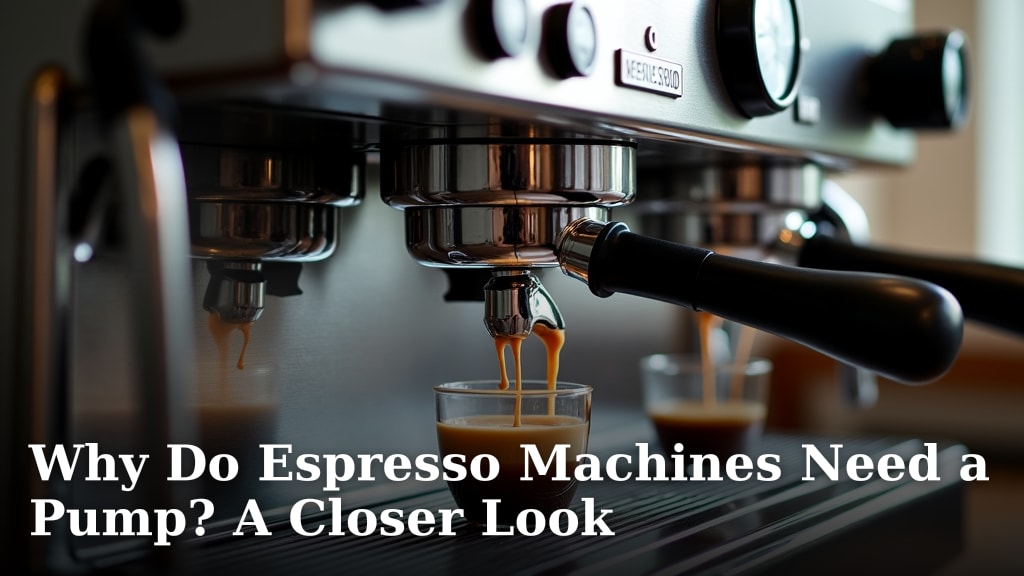
Espresso machines need a pump to create the high pressure required to force hot water through finely-ground coffee, extracting flavor and creating the signature crema. Without a pump, you’d just have a hot water dripper, not an espresso maker.
This simple machine does the heavy lifting. It’s the heart of your espresso setup. Think of it like the engine in your car—you need it to get where you’re going.
Why Pressure Matters for Espresso
Espresso is a unique coffee brewing method. It relies on **specific pressure** to work. Research and found that this process typically requires 9 bars of pressure. This is about 135 pounds per square inch (PSI).
That’s a lot of force. It’s like the pressure you’d feel if you stacked about 10 cars on top of your coffee cup. This pressure pushes water through the coffee grounds very quickly.
Why so much pressure? The heat and pressure work together. They extract oils and soluble flavors from the coffee. This creates that thick, flavorful shot with a golden foam on top, called crema.
Without the pump, the water just sits there. It won’t push through the grounds with any real force. You’d get a weak, watery brew instead of the rich, bold shot you want.
How the Pump Works in Your Machine
The pump is the machine’s muscle. It takes water from the tank and pushes it through the system. Most machines use a vibration pump or a rotary pump.
Vibration pumps are common in home machines. They use a magnetic piston that moves back and forth very fast. Rotary pumps use a spinning motor, often found in commercial machines.
The pump’s job is simple: build and maintain pressure. It does this by forcing water through tight spaces. The coffee grounds provide the resistance. This resistance is what creates the high pressure.
The Water Path from Tank to Cup
Here’s how it works in most machines. Water starts in the reservoir. The pump pulls it from the tank. It then pushes the water through a heating element or boiler.
The hot, pressurized water goes to the group head. This is where you place your portafilter. The water saturates the coffee grounds in the basket.
The pressure forces the water through the grounds. It extracts the flavors and oils. The espresso then flows out into your cup.
This whole process is fast. A typical shot takes 25-30 seconds. The pump controls the speed and pressure during this time. It’s a precise dance, not a wild splash.
Pressure and Temperature Control
The pump works with other parts. The boiler heats the water. The pump ensures the water moves at the right speed. Together, they create the perfect conditions.
Too little pressure means weak espresso. Too much pressure can over-extract, making it bitter. A good pump gives you consistent pressure every time.
Many experts say consistency is key. A reliable pump ensures your morning espresso tastes the same. It takes the guesswork out of brewing.
Types of Espresso Machine Pumps
Not all pumps are the same. The type affects your coffee and your machine’s price. Let’s look at the two main types.
Pump Type
How It Works
Common Use
Key Feature
Vibration Pump
Uses a magnetic piston to create pressure.
Home espresso machines.
Quieter, smaller, less expensive.
Rotary Pump
Uses a spinning motor to push water.
Commercial and high-end home machines.
More consistent pressure, longer lifespan.
Vibration pumps are found in most home machines. They are compact and affordable. You’ll often hear a buzzing sound when they run.
Rotary pumps are a step up. They are quieter and more consistent. They can pull a shot from the water line, not just a reservoir.
Which is better? For home use, a vibration pump is fine. It does the job well. If you want the best, a machine with a rotary pump is a great choice.
Common Pump Problems and Simple Fixes
Pumps can wear out over time. They are mechanical parts. Knowing the signs helps you fix issues early. Let’s look at some common problems.
You might notice the machine is loud. The espresso might taste off. The flow might be weak. These can all point to the pump.
When to Replace Your Pump
Most pumps last 5-10 years. This depends on use. A home machine used daily might last longer than one used occasionally.
Signs it’s time for a new pump: low pressure, strange noises, or the machine stops working. Don’t wait until it’s dead. A failing pump can damage other parts.
Replacing a pump is a common repair. It’s often easier than you think. Many DIY guides can help you do it at home.
Troubleshooting Pump Noise
If your pump is loud, it might be normal. Vibration pumps make a buzzing sound. That’s just how they work.
If the noise is new or very loud, check a few things. Make sure the machine is level. A vibration pump can rattle if it’s not stable.
Check for air in the system. Sometimes air gets trapped. This can cause noise and weak flow. Run the pump with water to clear it.
If noise continues, the pump might be wearing out. It’s time to think about a replacement. A quiet pump is a happy pump.
Maintenance Tips for Longevity
You can make your pump last longer. A little care goes a long way. Here are some simple tips.
Use filtered water. Hard water can cause scale buildup. Scale can damage the pump and other parts. Use a water filter or descale regularly.
Don’t run the pump dry. Always have water in the tank. Running it dry can overheat the pump. This is a common mistake.
Use the machine regularly. Pumps are like muscles. They work better when used. Letting it sit for months can cause issues.
Descale your machine every 2-3 months. This removes mineral buildup. It keeps the pump and boiler working well. Use a descaling solution recommended by the manufacturer.
Checklist for Pump Care
Here’s a quick checklist. Use it to keep your pump in top shape.
Use filtered water to prevent scale.
Descale regularly every 2-3 months.
Don’t run dry—always have water in the tank.
Listen for odd noises and check for leaks.
Run the machine often to keep the pump active.
Replace the pump when you see signs of wear.
This checklist is simple. Follow it, and your pump will thank you. A well-maintained pump makes great espresso.
Choosing the Right Espresso Machine
When buying a machine, consider the pump. It’s a key component. The pump type affects the machine’s price and performance.
Vibration pumps are affordable. They are great for beginners. They are also smaller, which is good for small kitchens.
Rotary pumps are more expensive. They are found in higher-end machines. They offer better pressure consistency and are quieter.
For home use, a vibration pump is a solid choice. It will make great espresso without breaking the bank. You don’t need a rotary pump for home brewing.
If you want to upgrade later, look for machines with rotary pumps. They are an investment, but they last longer. They also provide a more stable brewing experience.
The Pump’s Role in Crema
Crema is that golden foam on top of your espresso. It’s a sign of a good shot. The pump plays a big role in making it.
Pressure from the pump forces water through the coffee. This extracts oils and carbon dioxide from the beans. These mix to create crema.
A weak pump won’t create good crema. It won’t build enough pressure. You’ll end up with a thin, watery layer instead.
A strong, consistent pump makes the best crema. It extracts everything perfectly. You’ll get that rich, golden foam that makes espresso special.
How Pumps Affect Espresso Taste
The pump isn’t just about pressure. It also affects taste. Consistency is key here.
A good pump maintains steady pressure. This means the water flows evenly through the grounds. It extracts flavors uniformly.
Too much pressure can over-extract. This makes espresso bitter. Too little pressure under-extracts. This makes it sour or weak.
A well-designed pump gives you the right balance. It makes your espresso smooth and balanced. You’ll taste the nuances of the coffee.
Many experts say the pump is crucial. It’s not just a part; it’s a decision-maker. The right pump elevates your coffee experience.
Pressure Consistency and Flavor
Pressure consistency is important. A pump that fluctuates can make your espresso uneven. One shot might be great, the next not so much.
Rotary pumps are known for consistent pressure. They provide a steady flow. This makes each shot reliable.
Vibration pumps can vary a little. But modern ones are quite good. For home use, they offer enough consistency.
The key is finding the right machine. Test different machines if you can. See which one makes the best espresso for you.
The Science Behind the
Conclusion
So, why do espresso machines need a pump? It’s simple: without that critical pump, you cannot build the 9 bars of pressure needed to create real espresso. The pump is the engine that forces hot water through finely-ground coffee, extracting the rich flavor and signature crema you love. Whether you have an affordable vibration pump or a professional rotary pump, its job is to deliver **consistent pressure** for a balanced shot. Your next step is to **listen to your machine and maintain it well**. Follow the care checklist, use filtered water, and don’t let it run dry. This simple attention ensures your pump—and your espresso—stays in great shape for years.
Frequently Asked Questions
Can you make espresso without a pump?
Not really. True espresso requires high pressure, around 9 bars, to extract coffee properly. Without a pump, you lack the force needed, resulting in a weak, drip-style coffee instead of a concentrated shot. The pump is what defines the espresso brewing method.
Why is my espresso machine pump so loud?
Most home machines use vibration pumps, which create a buzzing sound as a magnetic piston moves back and forth. This noise is normal. If it becomes excessively loud or rattles, check that the machine is level and ensure there is no air trapped in the water line.
How often should I replace the pump in my espresso machine?
With proper care, most pumps last 5-10 years. You should consider a replacement if you notice **low water pressure**, strange grinding noises, or if the machine fails to pull a shot. Regular descaling with filtered water helps extend its lifespan significantly.
What’s the difference between a vibration pump and a rotary pump?
Vibration pumps are smaller, more affordable, and common in home machines; they create pressure with a magnetic piston. Rotary pumps are larger, quieter, and more consistent, typically found in commercial or high-end home models. For daily home use, a vibration pump is perfectly adequate.
Does the pump type affect the taste of my coffee?
Yes, directly. The pump controls pressure and flow rate. A consistent pump ensures water moves evenly through the grounds, extracting flavors uniformly. Inconsistent pressure can lead to under-extracted (sour) or over-extracted (bitter) espresso, while a steady pump helps create a balanced, sweet shot with good crema.