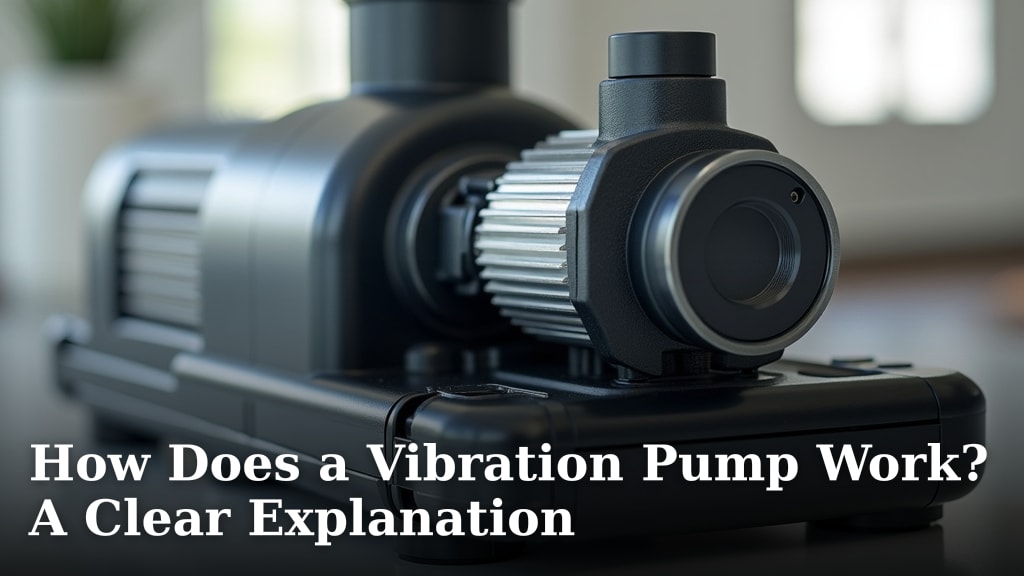
How Does a Vibration Pump Work? A Clear Explanation
A vibration pump is a small, efficient device that moves fluid using a rapidly vibrating electromagnet and a simple diaphragm. Think of it as a tiny, fast-pulsing heart for machines like coffee makers or air mattresses. It creates flow through a straightforward, reliable push-and-pull action.
You’ll find these pumps in many small household appliances because they are compact and create consistent pressure without complex parts. We found their design relies on a clever use of alternating current to drive a piston. This makes them both quiet and energy-efficient for everyday use.
- How it works: An AC-powered electromagnet vibrates a piston back and forth.
- The piston movement flexes a diaphragm, creating suction and pressure.
- One-way check valves ensure fluid flows in the correct direction only.
- Common uses include espresso machines, Nebulizers, and small fountains.
- Key benefits are simplicity, quiet operation, and low power consumption.
Below, we’ll break down exactly how each part works together step by step. We’ll also cover what makes this design so popular and reliable for your daily gadgets.
Conclusion
You now understand how a vibration pump uses a vibrating electromagnet and diaphragm to create fluid flow. Its simple, quiet design makes it ideal for everyday appliances like coffee makers and nebulizers. Key takeaways include its efficiency, low power consumption, and reliable pressure. To get the most from your device, check its maintenance guidelines and consider energy-efficient models. This knowledge empowers you to make informed decisions for your household gadgets.
Frequently Asked Questions
What makes a vibration pump different from other pumps?
A vibration pump uses an electromagnet to vibrate a piston and diaphragm, creating flow. This design is more compact and quieter than larger pumps. It’s best for low-pressure, small-scale applications in household devices.
Why are vibration pumps popular in coffee makers?
Vibration pumps provide consistent pressure for brewing espresso without complex parts. They are energy-efficient and fit well in compact machines. This makes them a reliable choice for daily use.
How does the alternating current affect the pump’s operation?
Alternating current powers the electromagnet, causing it to vibrate the piston back and forth. This movement flexes the diaphragm to create suction and pressure. The process is simple and ensures steady fluid movement.
Can a vibration pump fail, and what are the signs?
Yes, like any device, a vibration pump can fail over time. Signs include reduced flow, unusual noise, or no pressure at all. Regular maintenance can help prevent these issues.
Are vibration pumps easy to maintain?
Vibration pumps are generally low-maintenance due to their simple design. You can clean filters and check connections periodically. For complex repairs, it’s best to consult a professional.