
Why Does Espresso Need so Much Pressure? The Basics
Understanding Why Espresso Requires High Pressure
Espresso brewing uses high pressure, typically around 9 bars, to force hot water through finely ground coffee quickly. This method extracts a concentrated shot with a rich flavor and signature crema. The pressure is essential for the unique characteristics of espresso compared to other brewing methods.
The Core Reason: Rapid, High-Volume Extraction
Think of a slow drip coffee maker. Water trickles through a large bed of grounds over several minutes. Pressure in espresso does the opposite. It forces a specific volume of water through a small, tightly packed bed of very fine grounds in just 25-30 seconds.
This rapid, forced extraction is the whole point. It pulls out soluble compounds—flavor, oils, sugars—much faster than gravity alone ever could. The result is a dense, concentrated beverage you know as espresso.
How Pressure Creates Espresso’s Signature Crema
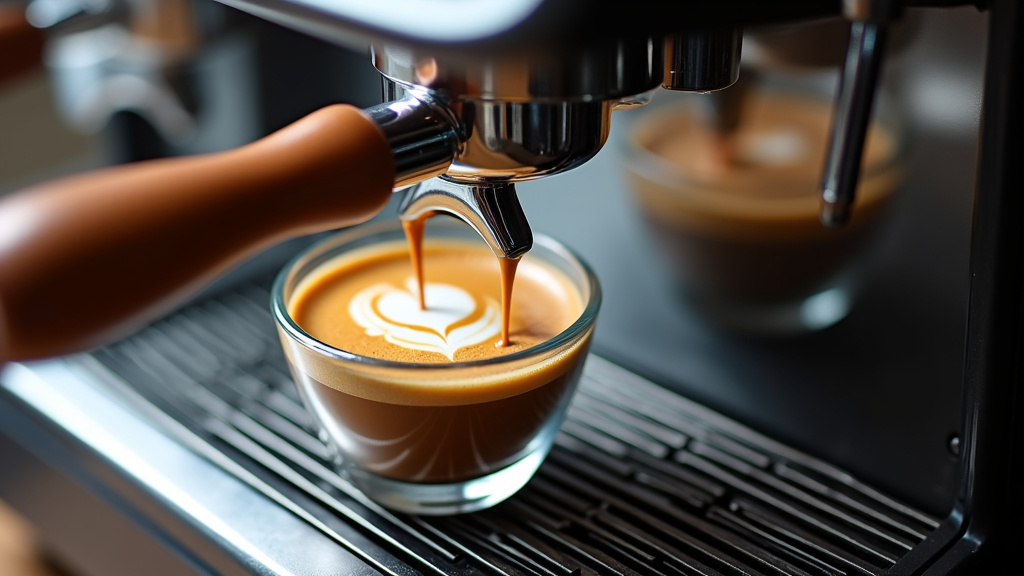
That beautiful, golden-brown foam on top of your shot is called crema. It’s not just for looks; it’s a key part of the espresso experience. Pressure is directly responsible for creating it.
When water is forced through the coffee puck at high pressure, it emulsifies the coffee’s natural oils. It also releases tiny carbon dioxide bubbles trapped in the roasted beans. This mixture of emulsified oils and gas forms the stable, frothy layer we call crema (NCBI). Without sufficient pressure, you simply won’t get this characteristic layer.
What Happens Without Enough Pressure?
If you try to brew espresso with low pressure, the results are disappointing. The water flows too quickly through the grounds. This leads to under-extraction. Your shot will taste sour, thin, and watery. It will lack body and have almost no crema. It’s a fundamentally different drink.
The Science of Extraction: Pressure’s Role
Coffee extraction is a chemical process where water dissolves soluble compounds from ground coffee. The three main factors are grind size, temperature, and time. Pressure acts as a powerful accelerator in this process.
A fine espresso grind creates resistance. Hot water alone cannot penetrate this dense puck efficiently. The applied pressure overcomes this resistance, ensuring the water contacts all the grounds evenly. This promotes a balanced extraction of desirable acids, sugars, and oils in a short time frame.
| Brewing Factor | Drip Coffee (No Pressure) | Espresso (High Pressure) |
|---|---|---|
| Grind Size | Medium to Coarse | Fine to Extra-Fine |
| Contact Time | 3-5 Minutes | 25-30 Seconds |
| Water Flow | Gravity-Drip | Forced at ~9 Bars |
| Final Drink | ~8 oz. Larger Volume | ~1-2 oz. Concentrate |
| Key Output | Clarity, Nuance | Intensity, Body, Crema |
Why 9 Bars? The Standard Pressure
You might wonder, why not use 20 bars or just 5? The standard of roughly 9 bars (130 PSI) was established through decades of engineering and taste testing. It represents the sweet spot.
At this pressure, water can properly emulsify oils for crema without over-extracting bitter compounds. It creates enough resistance to control flow time without channelling. Manufacturers like La Marzocco and Nuova Simonelli built commercial machines around this standard for consistency.
Does More Pressure Mean Better Coffee?
Not necessarily. Pushing pressure far beyond 9 bars can lead to over-extraction. This happens when water forced too aggressively strips out undesirable, bitter-tasting compounds. It can also cause channeling, where water finds the path of least resistance, bypassing some grounds entirely. The result is a shot that’s both bitter and underdeveloped.
Pressure Profiling: The Next Level
Modern, high-end machines allow pressure profiling. This means the barista can change the pressure during the shot. They might start low to gently pre-infuse the puck, then ramp up to 9 bars, and finally decline pressure at the end.
This technique is used to highlight specific flavors or textures. However, the foundation remains high pressure. Profiling is about manipulating that high-pressure phase, not eliminating it.
How Your Home Espresso Machine Creates Pressure
Most home machines use one of two systems to generate pressure. Understanding them helps you troubleshoot and get better shots.
- Pump-Driven Machines: These use a motorized pump (vibratory or rotary) to force water through the group head at a consistent pressure. They are the standard for consistent, high-quality espresso.
- Lever Machines: These use a manual lever. The user pulls down a spring-loaded piston to create pressure. The profile depends on the barista’s skill and feel. They offer direct control but require practice.
Cheap steam-driven machines often use steam pressure from a boiler. This is not the same. It typically yields lower, inconsistent pressure and water that is too hot, leading to poor extraction.
What This Means for Your Daily Brew
Knowing pressure is key helps you make better choices. It explains why a $50 “espresso” machine from a department store often disappoints. It can’t generate or control the necessary 9 bars of pressure.
For good home espresso, you need a machine with a pump rated at least 9 bars. You also need a good grinder to produce the fine grind that creates the necessary resistance for that pressure to work against. The two work in tandem.
Key Takeaways for Making Better Espresso
When dialing in your espresso at home, remember these pressure-related principles. They are the foundation of a great shot.
- Ensure 9 Bars of Pressure: Your machine should be capable of this. It’s the industry standard for a reason.
- Use a Fine Grind: This creates the resistance pressure needs to work properly. Too coarse, and water rushes through; too fine, and the machine chokes.
- Distribute and Tamp Evenly: This prevents channeling, ensuring the high-pressure water extracts from all grounds equally.
- Aim for a 25-30 Second Extraction: This is the typical time for a well-extracted shot under 9 bars of pressure.
- Look for Golden Crema: A thick, hazelnut-colored crema is a visual sign that proper emulsification from adequate pressure occurred.
- Listen to the Machine: A steady hum is good. Sputtering or violent noises can indicate pressure or grind issues.
Beyond Espresso: Pressure in Coffee Culture
The principles of pressure aren’t isolated to espresso. They influence other popular drinks. A cappuccino or latte is simply espresso (the product of pressure) combined with steamed milk. The quality of that espresso base, determined by pressure, defines the drink’s core flavor.
Even manual brewing methods for regular coffee benefit from understanding pressure concepts. Techniques like the AeroPress use gentle, manual pressure to speed up extraction and can produce a cleaner, stronger cup than standard drip.
Conclusion
So, why does espresso need so much pressure? The answer is clear. High pressure, typically 9 bars, is the engine that drives the entire process. It forces water through a fine, resistant puck quickly, extracting a concentrated shot. This rapid extraction also emulsifies oils to create that signature, rich crema. Without adequate pressure, you simply don’t get espresso—you get a sour, watery substitute. As you refine your home brewing, remember the core relationship: a capable machine providing steady pressure works with a fine grind. Your next step should be to check your machine’s specifications and ensure it can maintain the standard 9 bars of pressure.
Frequently Asked Questions
Do all coffee pods or capsules use high pressure?
Most official espresso capsules are designed to work with machines that apply pressure, usually around 15 bars at the pump to achieve about 9 bars at the coffee. However, some lower-cost or “espresso-style” pod systems use lower pressure or higher water temperature, which can result in a weaker, less authentic shot. Always check the machine specifications for pressure details.
Why can’t I just use boiling water instead of high pressure?
Water temperature is important, but pressure and grind size are what define espresso. Boiling water poured over fine grounds without pressure will simply flood the coffee bed. It won’t create the necessary resistance or contact time, leading to uneven extraction and no crema. The result is more like a very muddy, bitter cup of drip coffee.
Is a 15-bar machine better than a 9-bar machine?
A higher bar rating on a machine’s pump doesn’t automatically mean better coffee. The key is the pressure delivered to the coffee puck, which should be around 9 bars. Some 15-bar machines use a regulator or a specific design to achieve this ideal pressure at the group head. A well-engineered 9-bar machine is often more reliable and consistent than a poorly made high-bar machine.
What exactly is “bars” of pressure in espresso?
A “bar” is a unit of pressure, roughly equal to the pressure exerted by the atmosphere at sea level. 9 bars of pressure means the water is being forced through the coffee at about nine times atmospheric pressure. For reference, 9 bars is approximately 130 PSI (pounds per square inch), which is like having the weight of a small car focused on a single square inch.
Does the altitude I live at affect my espresso pressure?
Yes, it can indirectly. At higher altitudes, atmospheric pressure is lower. This can affect both the water temperature (water boils at a lower temperature) and the machine’s internal pressure dynamics. You may need to adjust your grind slightly finer or modify your machine’s settings to compensate, but the goal of delivering 9 bars of pressure to the coffee remains the same.